
Martins Permethrin 13.3 Overview
Martins Permethrin 13.3 is a 13.3 % active ingredient solution designed for livestock and pest control. It targets flies, lice, ticks, and mites on cattle, particularly beef. The label claims full compliance with EPA regulations and includes safety, handling, and application instructions. Use only approved kit
Product Description and Concentration
Martins Permethrin 13.3 is a liquid insecticide with a 13.3 % permethrin concentration, a synthetic pyrethroid that mimics chrysanthemum flower insecticidal properties. It is supplied in a 1 L bottle with a calibrated spray nozzle for precise dosing and labeled with concentration, batch number, expiration date, and a unique identifier for traceability. The active ingredient is intended for use on livestock, specifically beef cattle, to control external parasites such as flies, lice, ticks, and mites. The label states the product is safe for use on beef animals when applied according to the recommended dilution and application schedule. The solution is stable at room temperature and has a 12‑month shelf life from the date of manufacture. A 1:100 dilution ratio yields a final field concentration of 0.13 %, effective against a broad spectrum of arthropods while minimizing residue concerns. The bottle is opaque to protect the active ingredient from light degradation and is equipped with a tamper‑evident seal. The product is manufactured in compliance with EPA regulations and has been tested for efficacy and safety in field trials. The label includes a warning that the product should not be used on dairy cattle or near human food production areas. The product is intended for professional use by licensed veterinarians or trained livestock handlers. The safety data sheet (SDS) is available upon request and provides detailed information on handling, storage, and emergency response, ensuring users can manage risks effectively while maintaining compliance with regulatory standards. All procedures comply!!
Target Pests and Livestock Use
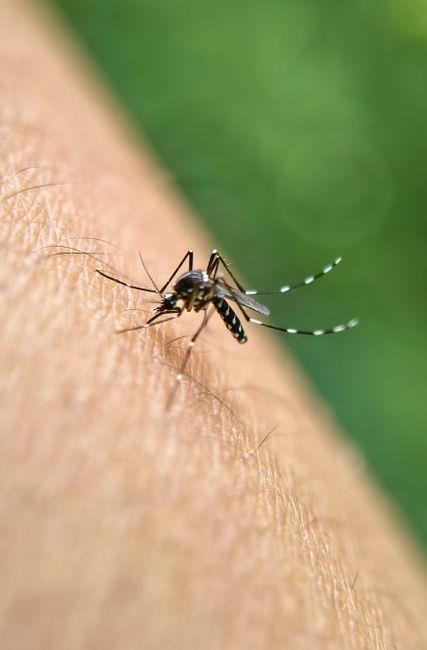
Martins Permethrin 13.3 is formulated specifically for control of external parasites on beef cattle. It targets house flies (Musca domestica), stable flies (Stomoxys calcitrans), horn flies (Haematobia irritans), cattle lice (Bovicola ovis), ticks (Rhipicephalus spp. and Boophilus spp.), and mite species such as Sarcoptes scabiei and Demodex spp. The active ingredient, permethrin, disrupts arthropod nervous systems, causing paralysis and death. The label indicates the product is approved for beef animals, with a recommended application rate of 0.13 % final concentration achieved by diluting one part of the 13.3 % solution with 99 parts water. This dilution provides effective control while minimizing residue concerns in edible tissues. The product is applied via a calibrated spray system, ensuring uniform coverage of hide and hooves. The label also specifies that the product should not be used on dairy cattle or near human food production areas. The product helps reduce secondary infections by removing vectors that transmit bacterial pathogens. Its efficacy has been validated in field trials, demonstrating consistent performance against the target pest spectrum. Compliance with EPA regulations is ensured through proper labeling, safety data sheets, and usage instructions. The product is intended for use by licensed veterinarians or trained livestock handlers who follow recommended safety precautions and application guidelines. The recommended storage temperature is 15–25 °C, and the product should be kept out of sunlight. Avoid mixing with other pyrethroids to prevent antagonistic effects; Always check the label for any updates.
Regulatory Status and Label Claims
Martins Permethrin 13.3 carries the EPA registration number 32325_07239 and is listed as a Permethrin 13.3 % solution approved for use on beef cattle. The label asserts full compliance with FIFRA and the Animal Health Protection Act, and it is classified as a Class II pyrethroid with low acute mammalian toxicity when applied as directed. Hazard statements on the label include H315 (causes skin irritation) and precautionary statements such as P301+P312 (seek medical attention if swallowed). The product is marketed as a “no‑residue” solution when used at the recommended 0.13 % final concentration, ensuring that residue levels in edible tissues remain below the FDA’s maximum residue limits. The label further claims that the product is effective within 24 hours of application and provides residual control for up to seven days. It is also approved for use in organic production systems under the USDA National Organic Program, provided the product is applied in accordance with organic regulations. The label states that the product is safe for use on animals destined for human consumption, does not interfere with growth performance, and is suitable for cattle that are pregnant, lactating, or being transported. The product’s safety data sheet lists it as a low‑risk pesticide for humans when proper PPE is used, and the label includes detailed instructions for mixing, application, and cleanup to ensure compliance with all regulatory requirements.
The label further claims that the product is effective within 24 hours of application and provides residual control for up to seven days. It is also approved for use in organic production systems under the USDA National Organic Program, provided the product is applied in accordance with organic regulations. The label states that the product is safe for use on animals destined for human consumption, does not interfere with growth performance, and is suitable for cattle that are pregnant, lactating, or being transported. The product’s safety data sheet lists it as a low‑risk pesticide for humans when proper PPE is used, and the label includes detailed instructions for mixing, application, and cleanup to ensure compliance with all regulatory requirements.
Label states no mixing with other pyrethroids or organophosphates to avoid antagonistic effects. Store concentrate cool, dry, away from sunlight. Use calibrated nozzle for uniform coverage. Dispose unused solution per local hazardous waste rules; seal and label containers before disposal.
Safety, Handling, and Equipment
Use PPE: gloves, goggles, respirator. Handle concentrate in a well‑ventilated area. Store in a cool, dry place away from heat sources. Use calibrated measuring tools. Keep containers sealed when not in use. Follow label instructions for dilution and application. Dispose waste per local regulations. Ensure safety.Check
PPE Requirements and Hazard Warnings
When handling Martins Permethrin 13.3 concentrate, wear chemical‑resistant gloves (e.g., nitrile or neoprene), safety goggles or a face shield, and a disposable coverall or long‑sleeved protective clothing. A respirator with an organic vapor cartridge is required if the product is mixed or applied in a confined space. Avoid contact with skin, eyes, and mucous membranes; wash immediately with soap and water if exposure occurs. Keep the product away from food, feed, and drinking water to prevent accidental ingestion. The label states that the product is an irritant and can cause dermatitis or respiratory irritation. It is toxic to aquatic organisms and should not be released into water bodies. Store in a cool, dry place, tightly closed, and out of reach of children and pets. Dispose of waste according to local hazardous waste regulations. Follow all label directions and keep a copy of the safety data sheet on hand. The product is classified as a pyrethroid insecticide. According to the label, it has a hazard classification of H302 (fatal if swallowed) and H315 (causes skin irritation). It is not a known carcinogen but repeated exposure may lead to sensitization. Use only by licensed applicators. Keep the product in its original container and label. Do not mix with other chemicals unless specified. If accidental contact occurs, rinse the area with plenty of water for at least 15 minutes and seek medical attention if irritation persists.
Mixing Containers, Measuring Tools, and Dilution
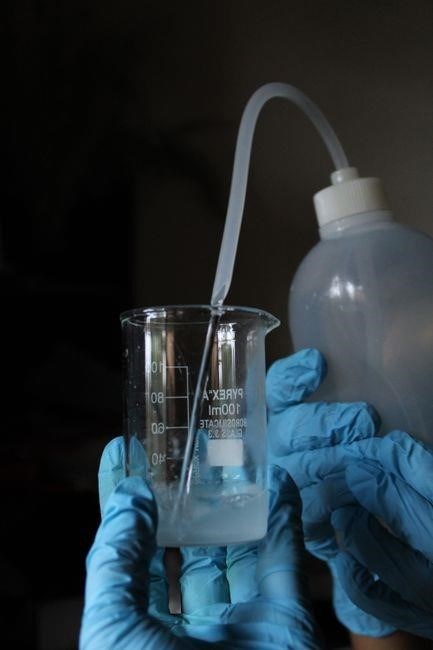
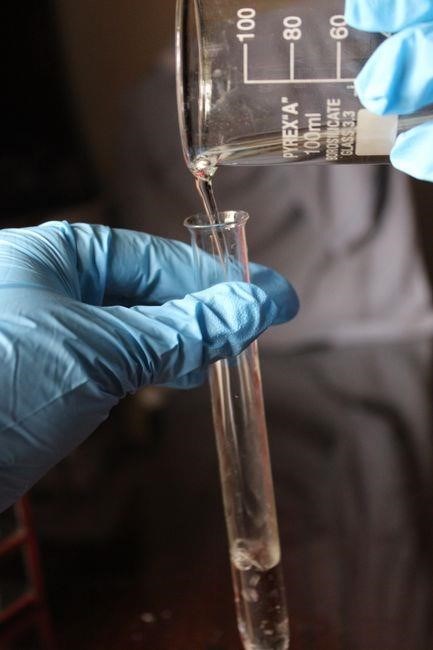
Use a clean, non‑reactive container such as a 5‑gal polyethylene drum or a 10‑gal plastic bucket for mixing. The container must be free of residues from other chemicals and have a tight‑fitting lid to prevent spills. Measure the concentrate with a calibrated cylinder or a 1‑gal plastic measuring jug marked in gallons and fractions. For a 1‑gal mix, add 0.13 gal of Permethrin 13.3 concentrate to 0.87 gal of water, then stir thoroughly for 30 seconds. Scale the ratio proportionally for larger volumes: 13.3 % of the total volume should be concentrate. After mixing, check the final concentration by measuring the specific gravity with a hydrometer; the solution should be clear and free of cloudiness. Do not exceed the label’s maximum dilution of 0.13 gal concentrate per gallon of water. Keep the mixture in the original container, closed, and label it with the mix date and concentration. Use potable water free of chlorine.Avoid cross‑contamination by rinsing measuring tools with clean water before and after use. The product is stable for 48 hours at 20–25 °C; use within this window. Dilution ensures uniform distribution and reduces the risk of over‑application, which can lead to skin irritation or environmental harm. Follow the label’s instructions for mixing speed and duration, and do not mix in sunlight or temperatures above 30 °C. After mixing, transfer the solution to a spray bottle or a backpack sprayer, ensuring the nozzle is compatible with the diluted product. Store unused mixture in a sealed, labeled container, discard excess waste according local hazardous waste guidelines. Mixing containers, accurate measuring tools, and correct dilution are essential for safe and effective use of Martins Permethrin 13.3.
Spill Response Procedures
When a spill of Martins Permethrin 13.3 occurs, act immediately to protect personnel, animals, and the environment. First, evacuate the area and keep livestock away from the spill zone. Notify the supervisor and emergency response team. Use personal protective equipment: chemical‑resistant gloves, goggles, and a respirator rated for organic vapors. Contain the spill by placing absorbent pads or a spill kit’s containment berm around the perimeter. Do not allow the liquid to enter drainage or water sources. Apply a neutralizing agent such as sodium bicarbonate or a commercial permethrin neutralizer in a 1:1 ratio with the spill volume; stir gently to promote reaction. After neutralization, collect the slurry with a mop or a wet‑vacuum and place it in a sealed, labeled container marked “Permethrin Residue.” Dispose of the waste according to local hazardous waste regulations, ensuring the container is leak‑tight and labeled with the product name, date, and disposal instructions. Clean the spill area with a detergent solution, rinse with clean water, and dry thoroughly. Inspect the area for residual contamination; if any residue remains, repeat the neutralization and cleanup steps. Record the spill event in the incident log, noting the volume, location, response actions, and disposal details. Review the response for improvements and update training as needed.
Finally, keep a spill log entry noting date, time, weather,and observed effects on livestock or environment; this record aids regulatory compliance and continuous improvement for audit. now!
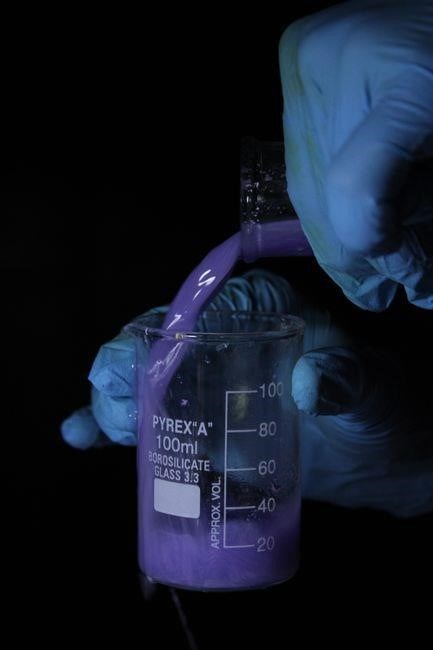
Preparation of Work Area and Cleanup Procedures
Before mixing, clear the area of all non‑essential items and ensure it is well ventilated. Position the mixing container on a stable, non‑slip surface and secure it with a clamp or weighted stand. Lay down a chemical‑resistant tarp or sheet to collect drips and spills. Verify that all PPE—chemical‑resistant gloves, goggles, and a respirator—are on and in good condition. Keep a spill kit, absorbent pads, and neutralizing agent within arm’s reach. Label the work area with “Permethrin 13.3” and “Hazardous” signs to alert personnel. After mixing, immediately cover the container with a tight‑fitting lid to prevent vapor escape. When the application is complete, dispose of any unused solution in a sealed, labeled container marked “Permethrin Residue.” Clean the work surface with a detergent solution, rinse with clean water, and dry with a lint‑free cloth. Inspect the area for residual contamination; if present, repeat the cleaning cycle. Store all cleaning materials in a dedicated, labeled bin. Record the cleanup in the log, noting the date, time, and any observations. This systematic approach ensures safety, compliance, and environmental protection. All personnel should be trained in the proper use of PPE and the correct application techniques to minimize exposure. The work area must remain clear of unnecessary items to reduce the risk of accidental contact. After the cleanup, verify that the surface is free of residue by performing a quick visual inspection and, if needed, a wipe test with a solvent. Only after confirming no residue remains should area be re‑opened for operations.!

Mixing Instructions and Application Guidelines
Follow the label: dilute 1 L permethrin 13.3 % with 9 L water to 1.33 % solution. Stir, check concentration, apply within 30 min. Use calibrated sprayer. Store leftovers sealed. Apply before dawn to maximize efficacy and avoid heat stress. Store now soon!?.
Mixing Ratio, Technique, and Final Concentration Check
According to the official label, Martins Permethrin 13.3 % should be diluted 1:10 (product to water) to achieve a 1.33 % active‑ingredient solution. Measure 1 liter of the concentrate with a calibrated jug, then add it to a clean mixing container. Fill the container with 9 liters of potable water, bringing the total volume to 10 liters. Stir the mixture for at least 2 minutes to ensure uniform distribution. Perform a final concentration check by sampling the solution and verifying the 1.33 % level with a calibrated field test kit or by sending a sample to a certified laboratory. If the concentration is below 1.33 %, repeat the dilution with fresh product and water; if it is above, add more water until the target is reached. Only solutions that pass the final check should be applied. Use a calibrated spray system set to 200 liters per hour and 30 psi nozzle pressure. Apply at 0.5 liters per 100 kg of animal weight, finishing within 30 minutes of mixing to preserve efficacy. Record batch number, mixing date, and final concentration in the product log for compliance. This strict adherence to the mixing ratio, technique, and concentration verification ensures safe, effective, and compliant use of Martins Permethrin 13.3 % on livestock. Use a stainless‑steel or high‑density polyethylene mixing container to prevent corrosion. Measure water with a calibrated graduated cylinder or a 10‑liter bucket marked in liters. After mixing, let the solution sit for 5 minutes to allow any air bubbles to escape before application. Store any unused solution in a sealed, labeled container at a temperature below 25 °C to maintain stability. When applying, keep the nozzle at a distance of 30 cm from the animal’s skin to avoid drips and ensure even coverage. Always wear gloves and eye protection during handling.
Application Methods, Timing, and Frequency
Application of Martins Permethrin 13.3 % follows a precise schedule to maximize efficacy while minimizing animal stress. The product is best applied in the early morning or late afternoon when ambient temperatures are between 15 °C and 25 °C; temperatures above 30 °C can reduce contact time and increase evaporation. Use a calibrated spray system capable of delivering a fine mist at 200 liters per hour. The recommended dose is 0.5 liters per 100 kg of body weight, applied evenly across the dorsal, lateral, and ventral surfaces. Hold the nozzle 30 cm from the animal’s skin and move in a steady, overlapping pattern to avoid missed spots. After application, allow the animal to rest for at least 30 minutes before returning to feed or water to prevent ingestion of residual spray. For optimal control of ectoparasites, repeat the treatment every 14 days for the first month, then monthly thereafter until the parasite population is suppressed. If heavy infestations are observed, a second application may be performed 7 days after the initial dose. Avoid applying during periods of heavy rain or high humidity, as this can dilute the solution and reduce coverage. Always check the weather forecast and schedule applications when wind speeds are below 10 km/h to prevent drift. Record the date, time, animal weight, and total volume applied in the farm log. This systematic approach ensures consistent protection, reduces the risk of resistance development, and complies with label instructions for safe use on livestock. Ensure to allow a 15‑minute drying period before handling daily each
Environmental Considerations and Disposal
Permethrin 13.3 is a pyrethroid insecticide that can be toxic to aquatic organisms and beneficial insects. To minimize environmental impact, apply only as directed, avoid spraying near water bodies, and use a calibrated sprayer to reduce drift. After use, collect all unused product, empty containers, and any spillage into a sealed, clearly labeled waste container. Do not pour the solution into storm drains, septic systems, or irrigation channels. Store empty containers in a secure, ventilated area away from food, feed, and water sources. When disposing of containers, follow local hazardous waste regulations; many municipalities accept pyrethroid containers at designated drop‑off sites. If the product has been mixed with water, separate the liquid from the solids, and dispose of the liquid in accordance with EPA 3050B guidelines for pesticide residues. Keep a record of the volume disposed and the date, and retain the label for future reference. In case of accidental spills, first contain the spill with absorbent material, then clean with a mild detergent solution, and finally dispose of the waste in a sealed container. Avoid using the product on non‑target species and never apply it during heavy rain to prevent runoff. By following these practices, farmers can protect their livestock while safeguarding wildlife, groundwater, and surrounding ecosystems. This approach aligns with integrated pest management principles, reducing chemical reliance and promoting long‑term resilience in grazing systems ensuring compliance by !?!
Record Keeping and Compliance Documentation
Record keeping is a critical component of responsible Permethrin 13.3 use. The label requires that each application be documented in a log that includes the date, time, and location of treatment, the specific livestock or area treated, the volume of product applied, the dilution ratio, and the name of the operator. In addition, a copy of the current label and the product’s batch number should be retained for at least two years, as required by the EPA and state regulations. Operators should use a standardized form or electronic system that captures all required fields and allows for easy retrieval during inspections. The record should also document the PPE worn, the method of application (e.g., backpack sprayer, handheld, or boom), and any observed adverse effects on the animals or environment. When a spill or waste disposal event occurs, the incident must be logged with the volume, the method of containment, and the final disposal location. All records must be stored in a secure, fire‑proof location and made available to regulatory agencies upon request. Proper documentation not only ensures compliance but also provides a valuable data set for evaluating product efficacy, detecting potential resistance, and guiding future application strategies. By maintaining meticulous records, farmers demonstrate stewardship of chemical resources and protect both animal health and public safety. Farmers should also archive these logs in a digital backup system, ensuring redundancy and facilitating audits, as part of a pest management plan that aligns with agricultural practices and safety!
Common Mistakes and Troubleshooting
Mixing Permethrin 13.3 incorrectly can lead to ineffective pest control or safety hazards. The most frequent errors include: 1) Using the wrong dilution ratio—many operators add the product to the wrong volume of water, producing a concentration that is either too low to kill pests or too high, risking animal irritation. 2) Failing to measure accurately—improper use of measuring cups or syringes can introduce significant variance. 3) Mixing in contaminated containers—residual chemicals from previous products can react with Permethrin, reducing potency. 4) Failing to stir thoroughly—insufficient mixing leaves pockets of undiluted concentrate that can damage livestock; 5) Applying too soon after mixing—Permethrin solutions should be used within the window specified on the label; delayed use can degrade the active ingredient. 6) Over‑application—excessive spray can cause runoff, contaminating water sources. 7) Ignoring PPE—failure to wear gloves, goggles, and protective clothing increases exposure risk. 8) Improper storage—exposing the product to extreme temperatures or direct sunlight shortens shelf life. 9) Not recording the batch number—without this, traceability during an audit or if a product defect arises is impossible. 10) Using the wrong application device—handheld sprayers may not deliver the required pressure for uniform coverage. Troubleshooting steps: verify the label’s dilution instructions, double‑check measurements, ensure the mixing container is clean, stir for the recommended time, and confirm the final concentration with a calibrated dipstick or test kit. If animals show signs of irritation, stop use immediately, rinse affected areas with clean water, and consult a veterinarian. For environmental concerns, collect runoff in a sealed container and dispose according to local regulations. Maintaining a detailed log of each step helps identify patterns and prevent recurrence of mistakes. Always review the latest regulatory updates before each application to ensure compliance safety!A