

Dental handbook PDFs compile essential guidance for clinicians and patients alike, offering concise protocols, best practices, and visual aids. They serve as portable, searchable references that streamline decision‑making, enhance compliance, and support continuous learning in modern dentistry.Quick??!
What Are They and Why They Matter
Dental handbook PDFs are digital compendiums that distill clinical guidelines, procedural steps, and patient education materials into a single, portable format. They are curated by professional societies, academic institutions, or regulatory bodies, ensuring that the information reflects current evidence, standards of care, quickly! By consolidating disparate resources—such as treatment algorithms, infection control checklists, and consent forms—into one searchable document, these handbooks reduce the cognitive load on practitioners and streamline workflow. For patients, the handbooks provide clear, illustrated instructions that reinforce oral hygiene practices and clarify treatment expectations, thereby improving adherence and satisfaction. In the broader context of dental practice, these PDFs serve as a reference point for quality assurance, audit trails, and continuing education. They also support interprofessional collaboration by offering a common language and shared knowledge base that can be accessed across different settings, from private offices to community clinics. Ultimately, dental handbook PDFs act as both a knowledge repository and a practical tool that enhances clinical decision‑making, promotes consistency, and elevates the standard of care delivered to patients worldwide.
By embedding these PDFs into electronic health records, clinicians can instantly reference guidelines during patient encounters, ensuring consistency across providers and fostering culture of evidence‑based care.

Core Topics Covered in a Dental Handbook PDF
Core topics include oral hygiene, preventive restorative procedures, endodontics, periodontics, orthodontics, oral surgery, infection control, patient communication, and digital records. Each section offers concise guidelines, checklists, and visual aids.!
From Oral Hygiene to Advanced Treatments
In a comprehensive dental handbook PDF, the journey begins with foundational oral hygiene—brush‑technique tutorials, flossing strategies, and the science behind plaque control. It then expands into preventive care, detailing fluoride applications, sealants, and early caries detection protocols. The next tier covers restorative dentistry, outlining cavity preparation, material selection, and adhesive bonding principles. Advanced sections introduce endodontic techniques, from pulp vitality assessment to root‑canal instrumentation and obturation. Periodontal management is addressed through scaling, root planing, and surgical options for gum recession. Orthodontic fundamentals, including bracket placement and wire mechanics, are summarized for clear guidance. Surgical chapters discuss extractions, implant placement, and bone grafting, emphasizing pre‑operative planning and post‑operative care. Throughout, evidence‑based guidelines, illustrated flowcharts, and patient‑friendly explanations empower clinicians to deliver consistent, high‑quality care. The handbook’s modular design allows quick reference, making it an indispensable tool for both seasoned practitioners and emerging dentists seeking to stay current with evolving techniques and technologies. Readers can also customize the handbook to match clinic protocols, integrating local guidelines and patient demographics for a truly tailored educational resource. Future updates will incorporate emerging research, materials,AI tools, ensuring the handbook remains a cutting edge reference.

How to Access and Download Dental Handbook PDFs
To obtain a dental handbook PDF, start by visiting official dental association websites, where free downloads are often available. Search academic repositories or use library portals for licensed copies. For paid versions, reputable vendors provide secure links, ensuring up‑to‑date content. Download now.
Free Sources and Official Releases
Many professional dental bodies maintain open‑access libraries where practitioners can retrieve the latest handbook PDFs without cost. National associations such as the American Dental Association the British Dental Association and the Australian Dental Association routinely publish updated guides on their websites often under sections titled “Resources” or “Publications.” These documents are typically available in PDF format ensuring cross‑platform compatibility and easy printing. In addition to association portals academic institutions and public health departments frequently host downloadable handbooks as part of continuing education modules. Universities with dental schools often provide free access to their curriculum materials including procedural manuals to students and faculty. For those seeking specialized content government health agencies—such as the Centers for Disease Control and Prevention or the World Health Organization—offer region‑specific dental health guidelines that are freely distributed in PDF form. When navigating these sites look for links labeled “Downloads” “Guidelines” or “Handbooks.” It is also advisable to subscribe to newsletters or alerts from reputable dental organizations many send periodic updates and new releases directly to subscribers. Finally open‑source repositories like PubMed Central or the Open Science Framework may host peer‑reviewed dental handbooks allowing researchers and clinicians to access the most current evidence‑based practices. By leveraging these free and official channels dental professionals can stay informed reduce costs and ensure that their practice aligns with the latest standards of care. These freely available PDFs also support interprofessional collaboration enabling dentists hygienists and oral health professionals to share best practices and maintain consistency across treatment teams. Continuous updates keep the handbook current. Now.

Using the Handbook for Patient Education
Handbook PDFs become interactive tools when shared with patients. Visual diagrams and step‑by‑step instructions clarify care. Distribute laminated copies or digital links, encouraging patients to review before appointments, boosting compliance and satisfaction.!!
Effective Communication Strategies
When introducing a dental handbook PDF to patients, clarity and empathy guide the interaction. Begin by explaining the purpose: a concise, visual guide that complements the clinical visit and empowers self‑care. Use plain language, avoid jargon, and ask the patient to identify any areas of confusion before proceeding. Patients often feel more confident when they can reference the handbook during home care, reducing anxiety about missed steps.
Employ the teach‑back method: after reviewing a section, ask the patient to describe the key points in their own words. This confirms understanding and highlights misconceptions early. Visual aids in the PDF—illustrations of brushing technique, flossing angles, and appliance care—serve as reference points during the conversation. Highlighting key steps in color can help patients quickly locate the most critical information.
Encourage active participation by letting patients annotate the PDF on a tablet or printout. Highlight sections that relate to their specific treatment plan, and note any questions they jot down. This collaborative approach fosters ownership of oral health responsibilities and builds trust. Using sticky notes for quick reminders can reinforce daily habits.
Leverage technology: share a secure link via email or patient portal, allowing them to revisit the material at home. Offer a brief video walkthrough that mirrors the PDF content, catering to different learning styles. Follow up with a short survey to gauge satisfaction and identify gaps in comprehension. Scheduling a brief follow‑up call can address lingering doubts and reinforce the handbook’s guidance.
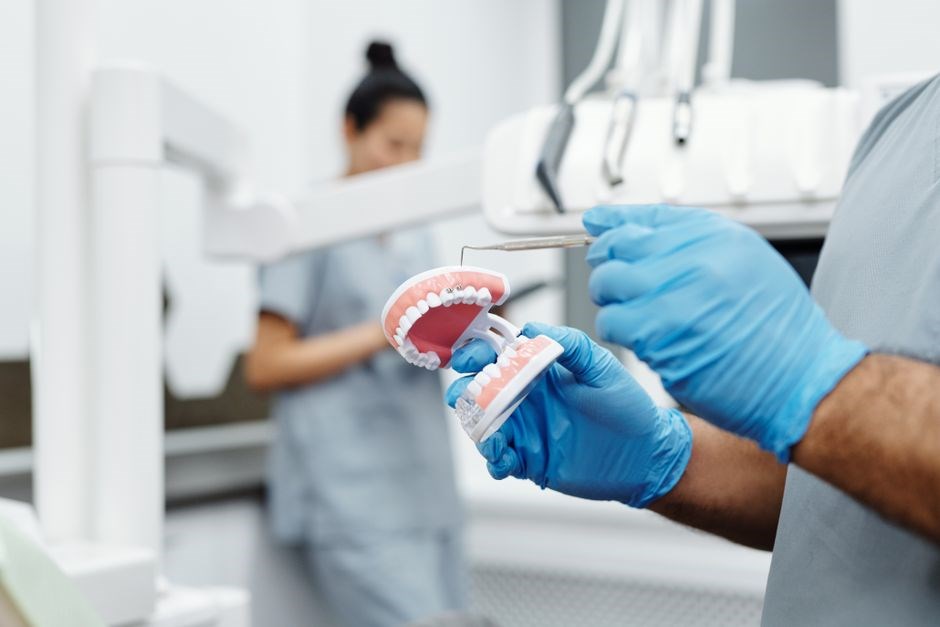
Finally, reinforce key messages during the next appointment. A quick recap, coupled with a visual reminder, solidifies the information and encourages consistent practice. Consistent, patient‑centered communication transforms the handbook from a static document into a dynamic educational tool that supports long‑term oral health outcomes. Sharing success stories from other patients can further motivate adherence and celebrate progress;

Integrating the Handbook with Dental Practice Management
Integrate the PDF into your EHR, linking it to each patient chart. Add QR codes on treatment plans and set automated reminders for follow‑up reviews. Train staff to reference the handbook during visits, ensuring consistent, evidence‑based care.

Digital Workflow Integration
Embedding a dental handbook PDF into your practice’s electronic health record (EHR) streamlines access during patient encounters. By linking the document to each chart, clinicians can instantly reference guidelines, treatment protocols, and consent forms without leaving the interface. This reduces cognitive load and speeds decision‑making.
Use API connectors to auto‑sync the latest handbook version with the EHR. When a new edition is released, the system pushes an update notification to all users, ensuring every practitioner works from the most current evidence. Automated reminders can prompt staff to review the handbook before performing specific procedures, reinforcing best practices.
Integrate QR codes on printed treatment plans or patient education sheets that open the PDF directly on the clinic’s tablet or mobile device. This bridges paper and digital workflows, allowing patients to view instructions at home while clinicians reference the same source during the visit.
Security is paramount. Store the PDF in a protected, role‑based repository within the EHR, and enforce encryption during transmission. Audit trails should log every access, providing compliance with HIPAA and other regulatory frameworks. Regularly review permissions to maintain data integrity.
Finally, train staff on navigating the integrated handbook. Short, focused workshops can demonstrate how to search, bookmark, and cite sections during patient interactions. By embedding the handbook into the digital workflow, practices enhance consistency, reduce errors, and elevate the overall quality of care. This approach aligns with evidence‑based dentistry, fostering trust and outcomes!!

Updating and Maintaining the Handbook Content
Regular updates keep a dental handbook PDF current with evolving standards. Establish a version‑control system, schedule quarterly reviews, and assign a content manager to audit new research. Use metadata tags for quick searches, and notify clinicians via automated alerts whenever revisions occur. Update1.
Version Control and Revisions
Version control is the backbone of a reliable dental handbook PDF, ensuring practitioners always reference the most accurate, evidence‑based information. A clear versioning scheme—major releases for substantive changes, minor updates for refinements, and patches for quick fixes—provides an audit trail that satisfies regulatory compliance and offers transparency for clinicians. A dedicated content steward, often a senior clinician or quality assurance specialist, reviews new research, guidelines, and emerging technologies, collaborates with experts to draft revisions, and oversees peer review before final approval. Approved content is integrated into the PDF using a master template that preserves formatting consistency across all sections. The revised file is renamed with the new version number, digitally signed, and stored in a secure, version controlled repository such as a cloud‑based document management system. Users receive the latest edition through a centralized portal, with options to download the PDF or subscribe to automated email notifications. An immutable archive of every past version remains accessible for retrospective studies or legal inquiries. Metadata tags—such as “Last Updated,” “Version,” and “Author”—are embedded within the PDF so search engines and internal systems can quickly identify the most recent release. By embedding these practices into everyday workflow, dental teams can confidently rely on the handbook as a living document that evolves with the profession’s best practices. Regular reviews are scheduled quarterly, and each revision is logged in a change‑history table that records the author, date, and a concise summary. This systematic record not only aids compliance audits but also allows clinicians to trace the evolution of recommendations over time and updates are communicated to staff.

Maximizing the Value of Dental Handbook PDFs
By integrating dental handbook PDFs into daily practice, clinicians enhance patient education, streamline workflows, and maintain up‑to‑date standards. Regular updates, version control, and accessible formats empower teams to deliver consistent, evidence‑based care, ensuring long‑term success. Stay updated.

Future Trends and Takeaways
Emerging technologies promise to transform dental handbooks into dynamic, interactive platforms. Augmented reality overlays can guide clinicians through complex procedures, while AI‑driven analytics personalize patient education based on individual risk profiles. Cloud‑based repositories will enable real‑time updates, ensuring every practitioner accesses the latest evidence without downloads. Integration with electronic health records will streamline workflow, automatically populating treatment plans and consent forms. Mobile‑friendly formats will let patients review recommendations at home, reinforcing home‑care routines. Open‑source collaboration will foster community contributions, expanding content diversity and cultural relevance. Standardized metadata and versioning protocols will maintain consistency across institutions. Ultimately, the shift toward modular, data‑rich handbooks will reduce information silos, enhance interdisciplinary communication, and empower patients to take an active role in their oral health journey.
Future editions will likely include machine‑learning risk calculators, letting clinicians predict caries progression and tailor prevention. Embedded checklists guide step‑by‑step care, while QR codes link to short videos for patient demos. Modules will cover orthodontics, periodontics, and implantology for a holistic approach. Accessibility features like adjustable fonts and screen‑reader support broaden reach. Continuous feedback loops from patients and staff will refine the handbook, keeping it current