

Lectin-Free Food List: A Comprehensive Guide (Updated February 27, 2026)
Discover a downloadable lectin-free food list PDF, simplifying your dietary journey! Access a curated guide featuring allowed and restricted foods for optimal health benefits.
This resource streamlines meal planning, ensuring adherence to the diet’s principles and promoting a lectin-light lifestyle with ease and convenience.
What are Lectins?
Lectins are a diverse family of proteins found in many plants, animals, and even humans. They’re often referred to as “sticky” proteins because of their ability to bind to carbohydrate molecules. This binding can interfere with the body’s digestive processes and nutrient absorption.
While present in many foods, some contain significantly higher concentrations than others. The lectin-free diet focuses on minimizing intake of these high-lectin foods, aiming to reduce potential inflammation and improve gut health. Understanding their role is crucial for navigating a lectin-aware lifestyle, and a lectin-free food list PDF can be a valuable tool.
Essentially, lectins are a natural part of our diet, but for some, they may contribute to health issues.
The Lectin-Free Diet: An Overview
The lectin-free diet centers around minimizing consumption of foods containing lectins, particularly those in high concentrations. It’s not necessarily about complete elimination, but rather reducing intake to potentially alleviate digestive discomfort and inflammation.
This dietary approach emphasizes nutrient-dense foods like grass-fed meats, leafy greens, and healthy fats. A lectin-free food list PDF serves as a practical guide, outlining permitted and restricted items. Proper preparation, like pressure cooking or fermenting, can also reduce lectin content. It’s often adopted by individuals seeking to optimize gut health and overall well-being.
It’s a personalized approach, and consulting a healthcare professional is recommended.
Why Consider a Lectin-Free Diet?
Individuals explore a lectin-free diet for various reasons, primarily focusing on potential health improvements. Proponents suggest lectins can interfere with nutrient absorption and contribute to inflammation, impacting gut health and potentially triggering autoimmune responses.
Many seek relief from digestive issues like bloating, gas, and leaky gut syndrome. Utilizing a lectin-free food list PDF can help identify trigger foods and tailor a diet accordingly. Weight management is another consideration, as reducing lectin-rich foods may support metabolic function. However, it’s crucial to remember this diet isn’t a one-size-fits-all solution and individual results vary.

Foods to Avoid on a Lectin-Free Diet
A lectin-free food list PDF highlights key avoidances: nightshades, legumes, grains like wheat and corn, and conventional dairy/poultry, minimizing lectin intake.
High-Lectin Vegetables
Utilizing a lectin-free food list PDF is crucial for identifying vegetables to limit or avoid. Nightshade vegetables – tomatoes, potatoes, eggplant, and peppers – are notably high in lectins and frequently excluded on this diet.
Similarly, various squash varieties, including butternut, acorn, and spaghetti squash, contain significant lectin levels. A comprehensive PDF guide will clearly delineate these high-lectin options, assisting in informed food choices. Careful consideration of these vegetable categories is essential for successful lectin avoidance, as detailed within a reliable resource.
Nightshade Vegetables: Tomatoes, Potatoes, Eggplant, Peppers
A detailed lectin-free food list PDF highlights nightshade vegetables as primary foods to avoid. Tomatoes, in all forms, are rich in lectins, as are all types of potatoes – russet, red, and Yukon gold. Eggplant, a popular ingredient, also contains substantial lectin content.
Bell peppers, chili peppers, and other pepper varieties fall into this high-lectin category. The PDF resource provides a clear visual guide, simplifying identification. Eliminating these nightshades is a cornerstone of the lectin-free approach, aiding in reducing potential inflammatory responses.
Squash Varieties: Butternut, Acorn, Spaghetti Squash

A comprehensive lectin-free food list PDF clearly identifies various squash types as high in lectins and therefore generally avoided on the diet. Butternut squash, known for its sweetness, contains significant lectin levels. Similarly, acorn squash and the increasingly popular spaghetti squash are flagged for restriction.
The downloadable PDF provides a quick reference for shoppers, helping to navigate grocery store selections. While some individuals may tolerate small portions, strict adherence to the diet necessitates minimizing or eliminating these squash varieties to reduce lectin intake and potential digestive discomfort.

Legumes: Beans, Peas, Lentils, Peanuts
A detailed lectin-free food list PDF explicitly lists legumes – encompassing beans, peas, lentils, and even peanuts – as foods to avoid. These plant-based proteins are naturally high in lectins, making them a primary focus of restriction within the diet. The PDF serves as a vital resource for identifying hidden legume ingredients in processed foods.
Understanding this exclusion is crucial, as legumes are often considered healthy staples. However, for those following a lectin-free protocol, the PDF emphasizes the need to seek alternative protein sources to minimize lectin consumption and potential inflammatory responses.
High-Lectin Grains & Seeds
A comprehensive lectin-free food list PDF clearly identifies grains like wheat, rye, and barley as high in lectins, necessitating their avoidance. Similarly, corn and conventional seeds – specifically sunflower and pumpkin seeds – are flagged for their lectin content. This PDF resource details why these staples are restricted, aiding informed dietary choices.
The document highlights that even seemingly healthy grains and seeds can contribute significantly to lectin intake. Utilizing the PDF ensures individuals adhering to the diet can easily navigate grocery shopping and meal preparation, avoiding hidden sources of these proteins.
Wheat, Rye, Barley
A detailed lectin-free food list PDF explicitly lists wheat, rye, and barley as grains to strictly avoid. These commonly consumed staples contain substantial lectin levels, potentially triggering adverse reactions in sensitive individuals. The PDF clarifies that all forms – including breads, pastas, and cereals – derived from these grains are off-limits.
This resource emphasizes the importance of reading ingredient labels carefully, as these grains are often hidden in processed foods. The PDF serves as a quick reference, empowering users to confidently identify and eliminate these high-lectin grains from their diet for optimal health benefits.
Corn
A comprehensive lectin-free food list PDF clearly identifies corn as a grain to be avoided due to its high lectin content. This includes all varieties – sweet corn, field corn, and products derived from corn, such as cornstarch, corn syrup, and corn oil. The PDF highlights that even seemingly innocuous items may contain hidden corn derivatives.
Users are advised to meticulously examine ingredient lists on packaged foods, as corn is a prevalent ingredient in many processed items. The downloadable PDF provides a convenient and accessible guide, enabling individuals to easily navigate food choices and maintain a lectin-restricted diet effectively.
Conventional Seeds: Sunflower, Pumpkin
A detailed lectin-free food list PDF flags conventional sunflower and pumpkin seeds as foods to limit or avoid. These seeds naturally contain lectins, and commercially grown varieties often have higher concentrations. The PDF emphasizes the importance of seed sourcing, suggesting that sprouted or properly prepared seeds may be more tolerable for some individuals.
However, the downloadable resource generally recommends minimizing intake of these seeds when strictly adhering to a lectin-free protocol. The PDF serves as a quick reference, helping users identify potential lectin sources and make informed dietary decisions for optimal health and well-being.

Other Foods High in Lectins
A comprehensive lectin-free food list PDF highlights several unexpected sources of lectins beyond vegetables, grains, and legumes. Conventional dairy, particularly from grain-fed animals, is flagged due to lectins present in the animal’s feed. Similarly, conventionally raised poultry and pork often contain higher lectin levels.
The PDF emphasizes that the source and diet of the animal significantly impact lectin content. It advises opting for grass-fed and pasture-raised options whenever possible. This downloadable resource provides a complete overview, empowering users to navigate potential hidden lectin sources and make informed choices.
Dairy (Especially from Grain-Fed Animals)
A detailed lectin-free food list PDF clarifies dairy’s role, noting that conventional dairy products, especially those from grain-fed animals, are considered high in lectins. The lectins accumulate due to the grains in the animal’s diet. The PDF recommends minimizing or eliminating conventional dairy to reduce lectin intake.
It suggests exploring alternatives or sourcing dairy from grass-fed animals, which generally have lower lectin levels. This downloadable guide provides specific recommendations for navigating dairy consumption within a lectin-restricted diet, offering clarity and practical advice for informed choices.
Conventional Poultry & Pork
A comprehensive lectin-free food list PDF highlights conventional poultry and pork as foods to limit or avoid. These meats, particularly when sourced from conventionally raised animals, can contain higher lectin levels due to their grain-based diets. The PDF emphasizes the importance of meat sourcing for lectin reduction.
It suggests prioritizing pasture-raised poultry as a lower-lectin alternative. The downloadable guide provides clear guidance on navigating protein choices, ensuring adherence to the diet’s principles. It offers practical advice for making informed decisions about poultry and pork consumption within a lectin-restricted lifestyle.
Low-Lectin Vegetables
A detailed lectin-free food list PDF showcases a variety of vegetables suitable for this dietary approach. It prominently features cruciferous vegetables like broccoli, Brussels sprouts, and cauliflower as excellent choices. Leafy greens – spinach, kale, and lettuce – are also highlighted as low-lectin staples;
The PDF further recommends cooked sweet potatoes, avocado, asparagus, and celery. This resource simplifies meal planning by clearly identifying vegetable options that align with the diet’s principles. It empowers individuals to build nutritious and flavorful meals while minimizing lectin intake, promoting optimal health.
Cruciferous Vegetables: Broccoli, Brussels Sprouts, Cauliflower
A comprehensive lectin-free food list PDF specifically identifies broccoli, Brussels sprouts, and cauliflower as beneficial vegetable choices; These cruciferous vegetables are naturally lower in lectins compared to many others, making them suitable for this dietary approach.
The PDF emphasizes their nutritional value and versatility in cooking. Individuals following a lectin-free diet can confidently incorporate these vegetables into their meals, enjoying their health benefits without significant lectin concerns. This detailed guidance simplifies meal planning and promotes adherence to the diet’s principles.
Leafy Greens: Spinach, Kale, Lettuce
A detailed lectin-free food list PDF highlights spinach, kale, and lettuce as excellent choices for those minimizing lectin intake. These leafy greens are generally considered low-lectin foods, offering a wealth of vitamins and minerals without the potential digestive issues associated with higher-lectin vegetables.
The PDF resource emphasizes their versatility in salads, smoothies, and cooked dishes. It provides clarity for individuals navigating the diet, ensuring they can enjoy these nutritious greens confidently. This simplifies meal preparation and supports a balanced, lectin-conscious lifestyle.
Root Vegetables: Sweet Potatoes (Cooked)
A comprehensive lectin-free food list PDF specifies that sweet potatoes, when cooked, are a permissible root vegetable. Cooking significantly reduces lectin content, making them a suitable option for those following the diet. The PDF clarifies this crucial distinction, as raw sweet potatoes contain higher lectin levels.
This resource details how to incorporate cooked sweet potatoes into meals, offering a nutritious and flavorful alternative to higher-lectin root vegetables. It empowers individuals to make informed food choices, supporting adherence to the diet’s principles and overall well-being.
Avocado
A detailed lectin-free food list PDF prominently features avocado as a highly recommended food. This creamy fruit is naturally low in lectins, making it a versatile and healthy addition to any lectin-conscious diet. The PDF emphasizes avocado’s nutritional benefits, including healthy fats and essential vitamins.
It provides guidance on incorporating avocados into various meals – from salads and smoothies to snacks and spreads – offering practical ideas for maximizing this superfood. The resource highlights that avocados support the diet’s goals without compromising taste or nutritional value.
Asparagus
A comprehensive lectin-free food list PDF clearly identifies asparagus as a safe and beneficial vegetable to include in your diet. This green spear is naturally low in lectins, making it a fantastic choice for those following a lectin-reduced eating plan. The PDF details asparagus’s nutritional profile, highlighting its fiber and vitamin content.
It suggests various cooking methods – steaming, roasting, or grilling – to preserve its nutrients and flavor. The resource emphasizes that asparagus contributes to overall health while aligning with the diet’s principles, offering a delicious and lectin-friendly option.
Celery
A detailed lectin-free food list PDF confirms celery as a highly recommended vegetable for individuals embracing this dietary approach. Its naturally low lectin content makes it a versatile and safe addition to meals. The PDF outlines celery’s hydrating properties and its contribution to digestive health, making it a valuable component.
It suggests enjoying celery raw as a snack, adding it to soups, or using it as a base for flavorful dishes. The resource emphasizes that celery provides essential nutrients without triggering lectin-related sensitivities, supporting a balanced and lectin-conscious lifestyle.
Low-Lectin Proteins
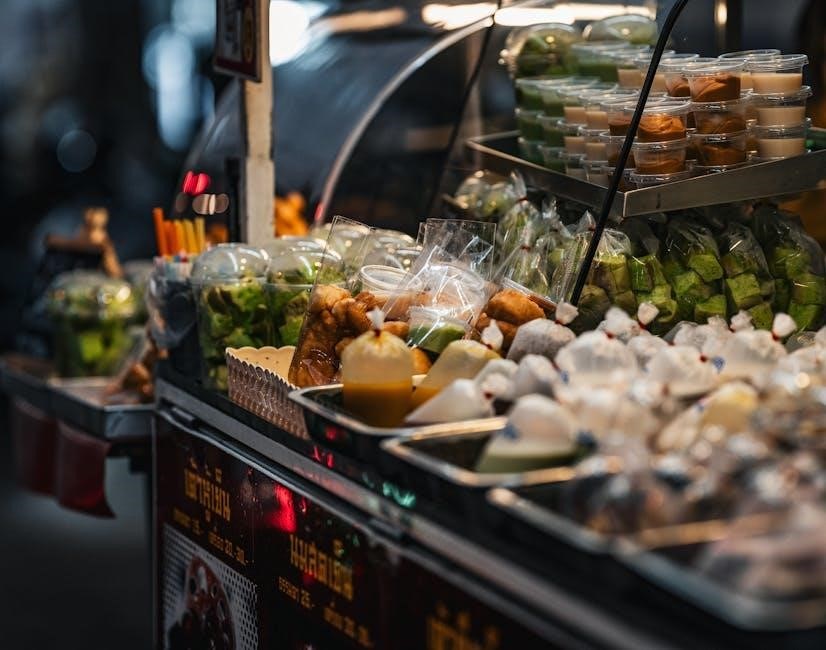
A comprehensive lectin-free food list PDF highlights specific protein sources that align with the diet’s principles. Grass-fed and grass-finished beef, limited to 4oz per week, is a key recommendation, minimizing lectin intake from grain-fed animals. Pasture-raised poultry and wild-caught fish are also prominently featured as excellent, low-lectin choices.
The PDF emphasizes the importance of omega-3 eggs, sourced from hens allowed to roam freely. It details how these protein options support overall health while avoiding the potential inflammatory effects associated with conventional poultry and pork, offering a clear guide for protein selection.
Grass-Fed & Grass-Finished Beef (Limited to 4oz/week)
A detailed lectin-free food list PDF specifies that grass-fed and grass-finished beef is permissible, but portion control is crucial. The diet recommends limiting intake to a maximum of 4 ounces per week. This restriction stems from the understanding that even grass-fed beef can contain trace amounts of lectins, and moderation is key.

The PDF clarifies that this limitation helps minimize potential inflammatory responses. It emphasizes choosing beef from animals raised exclusively on grass, avoiding grain-fed options which significantly increase lectin content. This precise guidance ensures adherence to the diet’s core principles.
Pasture-Raised Poultry
A comprehensive lectin-free food list PDF highlights pasture-raised poultry as a suitable protein source. Unlike conventionally raised birds, those allowed to roam and forage naturally exhibit lower lectin levels. The PDF emphasizes the importance of verifying the “pasture-raised” designation, ensuring the poultry had access to a diverse, natural diet.
This distinction is critical, as grain-fed poultry accumulates higher lectin concentrations. The document clarifies that opting for pasture-raised options supports the diet’s goal of minimizing lectin intake and promoting overall well-being. It’s a key element for successful implementation.
Wild-Caught Fish
A detailed lectin-free food list PDF champions wild-caught fish as a cornerstone protein choice. The document explains that fish, naturally consuming a lectin-low diet in their environment, present minimal lectin concerns. It differentiates this from farmed fish, which may be fed grain-based feeds, potentially increasing lectin content.
The PDF stresses prioritizing species like salmon, mackerel, and sardines, rich in omega-3 fatty acids, further enhancing health benefits. It advises verifying sourcing to ensure truly wild-caught status, maximizing the diet’s effectiveness and supporting sustainable practices.
Omega-3 Eggs
A comprehensive lectin-free food list PDF highlights Omega-3 eggs as a valuable protein source, but with crucial stipulations. The guide emphasizes selecting eggs from pasture-raised hens, as their diet significantly impacts lectin levels. Hens fed conventional, grain-based feeds will produce eggs with higher lectin content.
The PDF clarifies that truly pasture-raised hens consume insects and grasses, resulting in lower lectin eggs. It advises verifying egg sourcing and labels, prioritizing those explicitly stating “pasture-raised” to ensure adherence to the diet’s principles and maximize nutritional benefits.
Low-Lectin Fats & Oils
A detailed lectin-free food list PDF identifies specific fats and oils as foundational components of the diet. Olive oil, celebrated for its health benefits, is prominently featured as a safe and versatile choice for cooking and dressings. Avocado oil, with its high smoke point, is also recommended for higher-heat applications.
Furthermore, the PDF highlights coconut oil as a lectin-friendly option. It cautions against processed vegetable oils and refined seed oils, which often contain hidden lectins or inflammatory compounds. Prioritizing these three oils supports a lectin-light approach to fat intake.
Olive Oil
A comprehensive lectin-free food list PDF unequivocally designates olive oil as a cornerstone fat source. Extra virgin olive oil, specifically, is lauded for its rich antioxidant profile and minimal processing, ensuring it remains free from unwanted lectins. The PDF emphasizes its versatility – suitable for salad dressings, low-heat sautéing, and finishing dishes.
It’s a staple for those following the diet, offering a healthy fat option without compromising lectin avoidance. The document advises choosing high-quality, cold-pressed varieties to maximize benefits and minimize potential contaminants.
Avocado Oil
A detailed lectin-free food list PDF prominently features avocado oil as a highly recommended fat source. Its high smoke point makes it ideal for higher-heat cooking methods, unlike olive oil, offering greater culinary flexibility while adhering to dietary restrictions. The PDF highlights its rich monounsaturated fat content, contributing to heart health.
Avocado oil is presented as a versatile alternative, suitable for everything from stir-fries to baking. The resource stresses selecting cold-pressed, unrefined options to guarantee purity and retain maximum nutritional value, aligning with the diet’s focus on whole, unprocessed foods.
Coconut Oil
A comprehensive lectin-free food list PDF clearly indicates coconut oil as a safe and beneficial fat for those following the diet. The document emphasizes its medium-chain triglyceride (MCT) content, potentially supporting metabolic health and providing a quick energy source. It’s presented as a versatile option for cooking, baking, and even skincare.
The PDF advises choosing unrefined, virgin coconut oil to avoid potential processing contaminants. It notes its stability at high temperatures, making it suitable for sautéing and frying. Furthermore, the resource highlights its distinct flavor profile, adding a unique touch to lectin-free recipes.
Other Lectin-Friendly Foods
A detailed lectin-free food list PDF expands beyond core categories, outlining several supportive foods. Fruits, particularly low-glycemic options, are encouraged in moderation, providing essential vitamins and antioxidants. The PDF stresses the importance of herbs and spices for flavor enhancement without lectin concerns.
Fermented foods, like sauerkraut and kimchi, are included cautiously, noting potential benefits for gut health but advising moderation due to varying lectin levels. The document also suggests incorporating healthy fats like olive and avocado oil. Ultimately, the PDF aims to offer a balanced and flavorful approach to the lectin-free lifestyle.
Fruits (Low-Glycemic Options Preferred)
The lectin-free food list PDF highlights fruits as permissible, but emphasizes prioritizing low-glycemic choices. Berries – strawberries, blueberries, raspberries – are excellent options, offering antioxidants with minimal impact on blood sugar. Avocados, technically a fruit, are also highly recommended due to their healthy fat content and low lectin profile.
The PDF advises caution with higher-sugar fruits like bananas and mangoes, suggesting smaller portions or less frequent consumption. It’s a nuanced approach, acknowledging fruit’s nutritional value while aligning with the diet’s principles. Careful selection ensures enjoyment without compromising lectin-free goals.
Herbs & Spices
The lectin-free food list PDF unequivocally champions the use of herbs and spices! They are freely incorporated into the diet, adding flavor and potential health benefits without contributing significant lectin content. This is fantastic news for culinary creativity, allowing for diverse and delicious meals.

The PDF doesn’t list specific restrictions within this category, encouraging experimentation with various seasonings. From turmeric and ginger to basil and oregano, herbs and spices are your allies in making lectin-free eating enjoyable. They enhance taste and offer antioxidant properties, supporting overall wellness.
Fermented Foods (in moderation)
The lectin-free food list PDF acknowledges the benefits of fermented foods, but stresses moderation. While not entirely off-limits, their lectin content and potential for gut reactions necessitate a cautious approach. Fermented options like sauerkraut, kimchi, and kombucha can support gut health, but portion control is key.
The PDF suggests starting with small amounts to assess individual tolerance. It’s crucial to choose traditionally fermented products, avoiding those with added sugars or non-lectin-free ingredients. Prioritize quality and listen to your body’s response when incorporating these foods into your diet.

Resources for a Lectin-Free Lifestyle
Find a comprehensive lectin-free food list PDF and discover delicious recipes to support your journey! Simplify your transition with these helpful tools.
Finding Lectin-Free Recipes
Embarking on a lectin-free diet doesn’t mean sacrificing flavor! Numerous online resources offer a wealth of delicious and compliant recipes. Many websites and blogs specialize in lectin-avoidant cooking, providing inspiration for breakfast, lunch, dinner, and snacks.
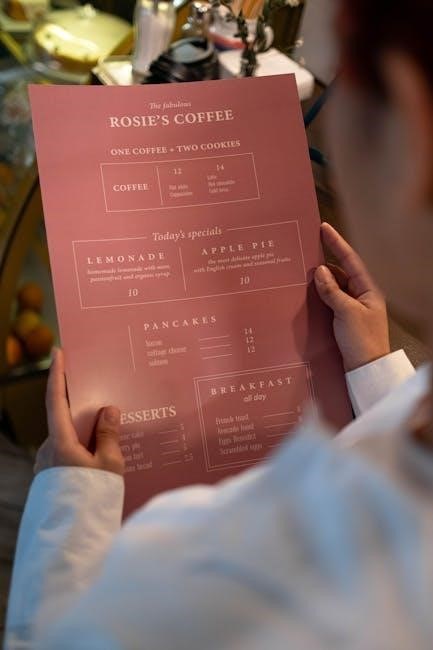
Utilize search terms like “lectin-free recipes” or “Steven Gundry recipes” to uncover a diverse range of culinary creations. A downloadable lectin-free food list PDF can be your guide while browsing, ensuring ingredients align with your dietary needs. Explore recipe databases and social media groups dedicated to this lifestyle for ongoing support and new ideas.
Don’t hesitate to adapt your favorite recipes by substituting lectin-containing ingredients with approved alternatives, making the transition enjoyable and sustainable.
Where to Download a Printable Lectin-Free Food List PDF
Accessing a printable lectin-free food list PDF simplifies adherence to this dietary approach. Several websites offer free downloadable versions, providing a convenient reference for grocery shopping and meal planning. Search online for “lectin-free food list PDF” to locate various options.
These PDFs typically categorize foods as “avoid” or “enjoy,” streamlining the decision-making process. Having a physical copy readily available ensures you can quickly check ingredient compatibility while cooking or dining out. Consider printing multiple copies – one for your kitchen, one for your purse, and one for travel!
Ensure the PDF is from a reputable source to guarantee accuracy and up-to-date information.