

Kolaru Pathigam: A Comprehensive Overview

Kolaru Pathigam‚ available as a PDF from temple.org‚ showcases verses in Tamil‚ Hindi‚ Telugu‚ and English.
This document‚ published September 12‚ 2018‚ presents the devotional hymns of Thirugnanasambandar.
Kolaru Pathigam‚ a revered hymn cycle within Shaivism‚ originates from the Second Thirumurai‚ composed by the prolific saint Thirugnanasambandar. A readily accessible PDF version‚ encompassing Tamil‚ Hindi‚ Telugu‚ and English translations‚ is available for download from temple.org‚ published on September 12‚ 2018. This Pathigam (a collection of ten verses) is specifically dedicated to the deity at Thagalooru (Thirukolalur)‚ a significant temple site.
The verses beautifully articulate the divine attributes and glory of Lord Shiva‚ particularly as manifested in the lingam at Thagalooru. The text details the blessings bestowed upon devotees who seek refuge in the deity. The PDF provides a valuable resource for scholars and devotees alike‚ offering a multi-lingual access point to this ancient and powerful hymn. It’s a cornerstone of devotional practice within the Shaiva tradition‚ embodying profound spiritual insights.
Historical Context of the Pathigam
The Kolaru Pathigam’s historical roots lie firmly within the 7th century CE‚ coinciding with the life and work of Thirugnanasambandar‚ a pivotal figure in Shaiva history. As part of the Second Thirumurai‚ it reflects the devotional fervor of the early Bakthi movement in Tamil Nadu. The PDF available on temple.org‚ dated September 12‚ 2018‚ allows modern access to this ancient text.
The hymn’s composition is linked to a specific event: Thirugnanasambandar’s visit to Thagalooru (Thirukolalur) and his miraculous healing of a Jain scholar. This event solidified the temple’s importance and inspired the Pathigam. The verses‚ preserved in the PDF‚ showcase the socio-religious landscape of the time‚ including interactions between Shaivism and Jainism. Understanding this context enriches the appreciation of the hymn’s theological and cultural significance‚ offering a window into ancient Tamil devotional practices.
Thirugnanasambandar and the Second Thirumurai
Thirugnanasambandar‚ a prodigious Shaiva saint‚ composed the Kolaru Pathigam as part of the Second Thirumurai‚ a collection of his hymns. Born in Sirkali‚ he demonstrated divine knowledge from a young age‚ becoming a central figure in the revival of Shaivism in Tamil Nadu. The PDF document sourced from temple.org‚ published September 12‚ 2018‚ preserves this devotional work for contemporary study.

The Second Thirumurai is unique for its focus on specific temples and the miracles associated with them. The Kolaru Pathigam exemplifies this‚ detailing the events at Thagalooru. Sambandar’s hymns are characterized by their poetic beauty‚ theological depth‚ and fervent devotion. Accessing the text via the PDF allows readers to engage directly with his original verses‚ appreciating the linguistic and spiritual richness of his contribution to Shaiva literature and tradition.
The Significance of Thagalooru
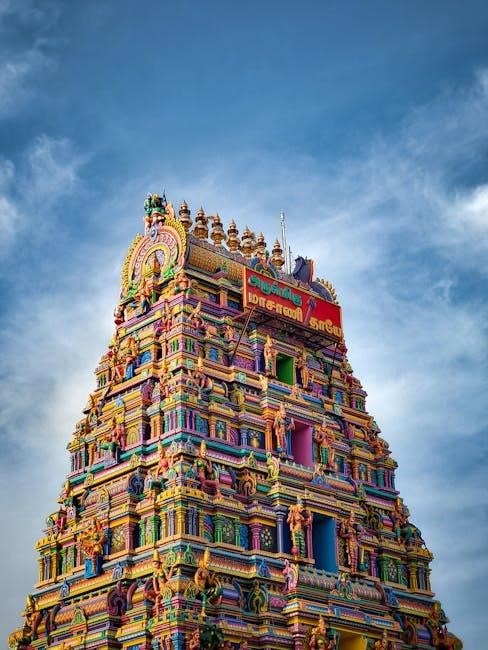
Thagalooru‚ the central location within the Kolaru Pathigam‚ holds immense significance in Shaiva tradition. The hymns detail a miraculous event where Sambandar revived a devotee’s life‚ demonstrating the power of Shiva and his own divine grace. The PDF available on temple.org‚ dated September 12‚ 2018‚ meticulously presents the verses narrating this pivotal incident.
The name “Kolaru” itself refers to the sound of the devotee being restored to life‚ signifying Shiva’s compassionate intervention. This event solidified Thagalooru’s status as a sacred site‚ attracting devotees seeking blessings and witnessing the tangible manifestation of divine power. The Kolaru Pathigam‚ preserved in the PDF format‚ serves as a testament to Thagalooru’s spiritual importance and Sambandar’s role in elevating its sanctity within the Shaiva landscape.
Content and Structure of Kolaru Pathigam
Kolaru Pathigam comprises ten verses‚ detailed in the temple.org PDF. These hymns‚ in Tamil‚ Hindi‚ Telugu‚ and English‚ narrate divine events and blessings.
Overview of the Ten Verses (Pathigam)
The Kolaru Pathigam‚ accessible as a comprehensive PDF document from temple.org‚ consists of ten distinct verses‚ each a powerful expression of devotion to Lord Shiva. These verses‚ originally composed in Tamil by Thirugnanasambandar‚ detail the divine attributes and grace associated with the deity at Thagalooru. The PDF provides the hymns in Tamil alongside translations in Hindi‚ Telugu‚ and English‚ facilitating wider accessibility and understanding.
Each verse within the Pathigam builds upon the previous one‚ creating a cohesive narrative that celebrates the Lord’s power and benevolence. The verses frequently reference imagery of the sun‚ moon‚ and other celestial bodies‚ symbolizing the omnipresence and eternal nature of Shiva. They also emphasize the blessings bestowed upon sincere devotees – those with “நல்லநல்ல அறவநல்ல நல்ல அடியா ரவர்க்கு” (good‚ good‚ righteous‚ good devotees) – as highlighted within the Tamil text of the PDF.
The structure of each verse follows a traditional poetic form‚ enhancing its lyrical quality and memorability. The PDF allows for a detailed examination of the original Tamil verses‚ enabling scholars and devotees alike to appreciate the nuances of the language and the depth of the spiritual message.
Detailed Analysis of the First Verse
The first verse of the Kolaru Pathigam‚ readily available in the PDF from temple.org‚ immediately establishes the divine grandeur of Lord Shiva at Thagalooru. The Tamil text‚ “தவயுறு ததாளிபங்கன் விடமுண்ட கண்டன் மிகநல்ல வீறை தடவி‚” describes Shiva as one who bears the crescent moon‚ consumed poison (விடமுண்ட)‚ and possesses a benevolent grace (மிகநல்ல வீறை தடவி). This opening line sets a tone of reverence and awe.
The verse continues by highlighting Shiva’s presence within the devotee’s heart (“உளதம புகுந்த அதனால்”)‚ suggesting an intimate and personal connection. The mention of the sun‚ moon‚ and other days of the week signifies the Lord’s omnipresence and control over time. The PDF’s inclusion of translations reveals how these symbolic elements resonate across different languages.
Crucially‚ the verse concludes by reiterating the blessings bestowed upon “நல்லநல்ல அறவநல்ல நல்ல அடியா ரவர்க்கு” – righteous devotees. This recurring motif emphasizes the importance of devotion and righteous conduct. Analyzing the Tamil within the PDF reveals the poetic structure and rhythmic flow contributing to the verse’s devotional power.
Detailed Analysis of the Second Verse
The second verse of the Kolaru Pathigam‚ accessible within the temple.org PDF‚ expands upon the divine attributes of Shiva at Thagalooru. The line “என்தபாடு தகாம்தபாடாறம யிறவமார் பிலங்க எருததைி தயறழ யுடதன” depicts Shiva adorned with matted locks and accompanied by the sacred bull. This imagery reinforces his ascetic nature and power.
Similar to the first verse‚ this one emphasizes Shiva’s indwelling presence (“உளதம புகுந்த அதனால்”) within the devotee’s soul‚ fostering a sense of divine intimacy. The PDF’s multi-lingual presentation allows for comparative analysis of how this concept is conveyed across Tamil‚ Hindi‚ Telugu‚ and English.
The verse also invokes blessings upon “நல்லநல்ல அறவநல்ல நல்ல அடியா ரவர்க்கு‚” highlighting the rewards of devotion. The poetic structure‚ evident in the Tamil text within the PDF‚ contributes to the verse’s lyrical quality and devotional impact. It’s a powerful expression of faith and surrender to the divine.
Detailed Analysis of the Third Verse
The third verse of the Kolaru Pathigam‚ found within the temple.org PDF document‚ continues to elaborate on Shiva’s majestic form and benevolent presence at Thagalooru. The line “உருவலர் பவளதமனி ஒளிநீ ைைிந்து உறமதயாடும் தவள்றள விறடதமன்” vividly portrays Shiva’s radiant beauty‚ comparing his splendor to coral and the brilliance of light.
The verse emphasizes Shiva’s association with the moon (“தகான்றைதிங்கள்”)‚ a symbol of coolness and tranquility‚ further enhancing his divine attributes. As with previous verses‚ the concept of divine indwelling (“உளதம புகுந்த அதனால்”) is central‚ signifying Shiva’s accessibility to sincere devotees.
The PDF’s inclusion of translations allows readers to appreciate the nuances of the Tamil text. Blessings are bestowed upon “அருதநதி நல்லநல்ல அறவநல்ல நல்ல அடியா ரவர்க்கு‚” reinforcing the path of righteousness and devotion. The verse’s poetic structure‚ preserved in the PDF‚ contributes to its devotional power.
Detailed Analysis of the Fourth Verse
The fourth verse of the Kolaru Pathigam‚ accessible in the temple.org PDF‚ introduces a new layer of imagery‚ focusing on Shiva’s presence alongside Parvati (“மதிநுதல் மங்றகதயாடு வடபா லிருந்து”). The verse describes them residing in the northern direction‚ emphasizing their cosmic significance. The phrase “மறைதயாது தமங்கள் பரமன்” highlights Shiva as the supreme being‚ beyond human comprehension.
Similar to preceding verses‚ the concept of divine presence entering the devotee’s soul (“உளதம புகுந்த அதனால்”) is reiterated‚ signifying the path to liberation. The PDF’s Tamil text reveals a rich poetic structure‚ enhanced by alliteration and evocative descriptions.
Blessings are promised to “அதிகுை நல்லநல்ல அறவநல்ல நல்ல அடியா ரவர்க்கு‚” those who embody virtue and devotion. The verse also mentions celestial beings (“தூதர்”) and other divine entities‚ further illustrating Shiva’s universal dominion‚ all meticulously preserved within the downloadable PDF.
Detailed Analysis of the Fifth Verse
The fifth verse of the Kolaru Pathigam‚ found within the temple.org PDF document‚ portrays Shiva with Parvati (“நஞ்சைி கண்டதனந்றத மடவாள் ததனாடும்”). It emphasizes Shiva’s acceptance of poison (“நஞ்சைி”) – a symbolic representation of overcoming negativity. The verse depicts them both as benevolent figures‚ accessible to devotees.
The imagery shifts to include powerful forces like “முருமிடியு மின்னு மிறகயான பூத மறவயும்” – thunder‚ lightning‚ and formidable spirits – all subdued by Shiva’s grace. This highlights his power over both internal and external challenges. The recurring theme of divine entry (“உளதம புகுந்த அதனால்”) reinforces the transformative potential of devotion.
As with previous verses in the PDF‚ blessings are bestowed upon the righteous (“அஞ்சிடு நல்லநல்ல அறவநல்ல நல்ல அடியா ரவர்க்கு”). The verse’s poetic structure‚ evident in the Tamil text‚ contributes to its devotional impact‚ making it a central piece within the complete Pathigam.
Detailed Analysis of the Sixth Verse
The sixth verse of the Kolaru Pathigam‚ accessible in the temple.org PDF‚ features Shiva and Parvati (“வாள்வரி யதளதாறட வரிதகா வைத்தர் மடவாள் ததனாடு”). It describes Parvati adorned with beautiful features‚ including crescent moons and flowers (“நாண்மலர் வன்னிதகான்றை நதிசூடி வந்ததன்”). This imagery emphasizes her divine beauty and grace.
The verse introduces a diverse array of creatures accompanying the divine couple – elephants‚ tigers‚ and bears (“தகாளரி யுழுறவதயாடு தகாறலயாறன தகழல் தகாடுநாக தமாடு கரடி”). This symbolizes Shiva’s dominion over all beings and the natural world. Again‚ the phrase “உளதம புகுந்த அதனால்” signifies the permeating presence of the divine.
Blessings are promised to the virtuous (“ஆளரி நல்லநல்ல அறவநல்ல நல்ல அடியா ரவர்க்கு மிகதவ”)‚ reinforcing the Pathigam’s devotional core. The verse’s lyrical quality‚ preserved in the Tamil text within the PDF‚ enhances its spiritual resonance and contributes to the overall power of the hymn.
Detailed Analysis of the Seventh Verse
The seventh verse of the Kolaru Pathigam‚ found within the temple.org PDF document‚ portrays Shiva as possessing unparalleled wealth and power (“தசப்பிள முறலநன்மங்றக ஒருபாக மாக விறடதயறு தசல்வ னறடவார்”). The verse highlights Shiva’s ability to bestow blessings and alleviate suffering (“தவப்தபாடு குளிரும்வாதம் மிறகயான பித்தும் விறனயான வந்து நலியா”).
The recurring phrase “ஒப்பிள மதியுமப்பும் முடிதம லைிந்ததன் உளதம புகுந்த அதனால்” reinforces the divine presence permeating all existence. The verse suggests that devotion to Shiva can cure ailments like fever‚ wind diseases‚ and even madness‚ offering solace and healing to devotees.
The Tamil text‚ meticulously preserved in the PDF‚ showcases the poetic beauty of Thirugnanasambandar’s composition. This verse emphasizes Shiva’s compassionate nature and his power to protect his devotees from all forms of hardship‚ solidifying his role as a benevolent deity.
Detailed Analysis of the Eighth Verse
The eighth verse of the Kolaru Pathigam‚ accessible in the temple.org PDF‚ depicts Shiva adorned with the crescent moon and Ganga in his matted locks (“வாள்வரி யதளதாறட வரிதகா வைத்தர் மடவாள் ததனாடு முடனாய்”). It emphasizes Shiva’s association with natural elements and divine consorts‚ Parvati (“மடவாள் ததனாடு”).
The verse continues the theme of divine grace‚ stating that devotion to Shiva brings blessings (“நாண்மலர் வன்னிதகான்றை நதிசூடி வந்ததன் உளதம புகுந்த அதனால்”). It lists various creatures – elephants‚ tigers‚ and bears – symbolizing Shiva’s dominion over the animal kingdom (“தகாளரி யுழுறவதயாடு தகாறலயாறன தகழல் தகாடுநாக தமாடு கரடி”).
The Tamil text within the PDF reveals a rich tapestry of imagery. This verse underscores Shiva’s power and majesty‚ assuring devotees that sincere worship will lead to prosperity and well-being‚ reinforcing his position as a protector and benefactor.
Detailed Analysis of the Ninth Verse
The ninth verse of the Kolaru Pathigam‚ found within the temple.org PDF document‚ portrays Shiva as a benevolent healer (“தசப்பிள முறலநன்மங்றக ஒருபாக மாக விறடதயறு தசல்வ னறடவார்”). It highlights his ability to cure ailments like cold‚ wind diseases‚ delirium‚ and karmic burdens (“தவப்தபாடு குளிரும்வாதம் மிறகயான பித்தும் விறனயான வந்து நலியா”).
The verse emphasizes that devotion to Shiva‚ signified by the crescent moon adorning his head (“ஒப்பிள மதியுமப்பும் முடிதம லைிந்ததன் உளதம புகுந்த அதனால்”)‚ offers protection from suffering. The imagery suggests a compassionate deity who alleviates the pain and hardships of his devotees.
Analyzing the Tamil text in the PDF reveals a profound understanding of physical and spiritual well-being. This verse reinforces the belief that sincere devotion to Shiva leads to holistic healing and liberation from worldly troubles‚ offering solace and hope to those who seek his grace.
Detailed Analysis of the Tenth Verse
The tenth and final verse of the Kolaru Pathigam‚ accessible in the temple.org PDF‚ concludes with a powerful blessing for devotees (“ஆளரி நல்லநல்ல அறவநல்ல நல்ல அடியா ரவர்க்கு மிகதவ”). It depicts Shiva accompanied by his consort‚ Parvati (“வாள்வரி யதளதாறட வரிதகா வைத்தர் மடவாள் ததனாடு முடனாய்”)‚ arriving with the crescent moon and the sacred river Ganga (“நாண்மலர் வன்னிதகான்றை நதிசூடி வந்ததன் உளதம புகுந்த அதனால்”).
The verse lists various divine beings and animals – elephants‚ tigers‚ and bears – accompanying Shiva‚ symbolizing his dominion over all creation (“தகாளரி யுழுறவதயாடு தகாறலயாறன தகழல் தகாடுநாக தமாடு கரடி”). This imagery reinforces Shiva’s all-encompassing power and grace.
The Tamil text within the PDF emphasizes that those who worship Shiva with devotion will receive his blessings and protection. It’s a culminating affirmation of the Pathigam’s central theme: unwavering faith in Shiva leads to liberation and well-being.
Translations and Interpretations
The Kolaru Pathigam PDF from temple.org provides translations in Tamil‚ English‚ Hindi‚ and Telugu‚ revealing cultural adaptations and nuanced interpretations of the verses.
Tamil Text and its Nuances
The Kolaru Pathigam’s original Tamil text‚ as presented in the PDF available on temple.org‚ is rich with poetic devices and devotional fervor. Examining the Tamil verses reveals a sophisticated use of imagery‚ particularly relating to Shiva’s attributes and the natural world surrounding Thagalooru. The text employs traditional Tamil poetic meters and rhyme schemes‚ contributing to its musicality and memorability.
Nuances within the Tamil are deeply rooted in Shaiva Siddhanta philosophy. Words carry multiple layers of meaning‚ often referencing complex theological concepts. For instance‚ descriptions of Shiva’s appearance – “விடமுண்ட கண்டன்” (the one who consumed poison) – are not merely physical attributes but symbolize his transcendence over suffering and death. The verses also utilize alliteration and assonance‚ enhancing the aesthetic appeal and aiding in oral transmission. Understanding these subtleties requires a strong grasp of Tamil grammar‚ prosody‚ and Shaiva tradition. The PDF serves as a starting point‚ but deeper study necessitates consulting commentaries and scholarly analyses.
English Translation and its Limitations
The English translation included within the Kolaru Pathigam PDF (temple.org) offers accessibility to a wider audience‚ yet inevitably faces limitations inherent in cross-linguistic transfer. Translating the nuanced Tamil verses requires navigating complex theological concepts and poetic devices that don’t always have direct equivalents in English. The beauty of the original Tamil‚ with its alliteration and rhythmic structure‚ is often diminished in translation.
Furthermore‚ the English rendering may struggle to capture the full depth of Shaiva Siddhanta philosophy embedded within the text. Certain Tamil terms carry layers of meaning lost in a single English word. The translation‚ while accurate in conveying the general meaning‚ can’t fully replicate the devotional intensity and cultural context of the original. Therefore‚ the English version should be viewed as an interpretive aid‚ encouraging readers to explore the Tamil text itself for a more complete understanding of the Kolaru Pathigam’s profound message.
Hindi Translation and Cultural Adaptations
The Kolaru Pathigam PDF available on temple.org thoughtfully includes a Hindi translation‚ aiming to connect with a significant portion of the Indian diaspora and Hindi-speaking devotees. However‚ adapting the verses necessitates cultural considerations. Direct translation isn’t always feasible; certain Tamil imagery and references require contextualization for a Hindi-speaking audience to fully grasp their significance.
The Hindi version likely employs vocabulary and phrasing resonant with North Indian devotional traditions‚ potentially altering the original Shaiva context subtly. Translators must balance fidelity to the Tamil text with the need for cultural relevance. This adaptation might involve substituting deities or symbols with comparable figures within the Hindi pantheon‚ ensuring the devotional essence remains intact. While striving for accuracy‚ the Hindi translation represents an interpretation‚ bridging linguistic and cultural gaps to make the Kolaru Pathigam accessible to a broader audience.
Telugu Translation and Regional Variations
The Kolaru Pathigam PDF hosted on temple.org extends its reach by incorporating a Telugu translation‚ catering to the substantial Telugu-speaking community‚ particularly in Andhra Pradesh and Telangana. However‚ regional variations within Telugu itself present translation challenges. The language differs significantly across dialects‚ necessitating choices regarding which form to prioritize.
Translators must navigate these linguistic nuances‚ aiming for a version understandable across the Telugu-speaking spectrum. Cultural adaptations are also crucial; local customs and devotional practices influence how the verses are perceived. The Telugu rendition likely incorporates terminology familiar to Vaishnava and Shaiva devotees in the region‚ potentially adjusting imagery to resonate with local traditions. While maintaining the core devotional message‚ the translation reflects a localized interpretation‚ ensuring the Kolaru Pathigam’s relevance and accessibility within the Telugu cultural landscape.
Availability and Resources
The Kolaru Pathigam‚ in Tamil‚ Hindi‚ Telugu‚ and English‚ is readily available as a PDF download from temple.org‚ published September 12‚ 2018.
Online PDF Resources (e.g.‚ temple.org)
A significant online resource for accessing the Kolaru Pathigam is the website temple.org. Specifically‚ a downloadable PDF titled “KolaruPadhikam_Tamil_English_Hindi_Telugu.pdf” provides the complete text of the Pathigam in four languages: Tamil‚ English‚ Hindi‚ and Telugu. This resource‚ published on September 12‚ 2018‚ offers a convenient way to study and recite these sacred verses.
The PDF contains the original Tamil text alongside translations‚ facilitating understanding for a wider audience. The document showcases the hymns of Thirugnanasambandar from the Second Thirumurai‚ focusing on the verses dedicated to Thagalooru. It’s a valuable tool for devotees and scholars alike‚ offering a readily accessible version of this important Shaivaite text. The file’s description confirms its comprehensive nature‚ encompassing all four language versions within a single document‚ making it a central online repository for this Pathigam.
Print Editions and Publishers
While the readily available online PDF from temple.org provides convenient access to the Kolaru Pathigam in multiple languages‚ information regarding dedicated print editions and specific publishers is currently limited within the provided source. The document itself doesn’t list publishing details. However‚ given the Pathigam’s importance within Shaivaite tradition‚ it is highly probable that it is included in compilations of Thirugnanasambandar’s works – specifically‚ the Second Thirumurai.
Devotees interested in physical copies should explore publications specializing in Tamil religious texts and Shaiva literature. Major Hindu bookstores in India and online retailers focusing on religious books are potential sources. Searching for collections of the Thirumurai‚ or works specifically dedicated to Thagalooru‚ may yield print editions containing the Kolaru Pathigam. Further research beyond the provided PDF’s scope is recommended to identify specific publishers and availability.
Scholarly Articles and Research
Despite the accessibility of the Kolaru Pathigam in PDF format from sources like temple.org‚ dedicated scholarly articles specifically analyzing this particular Pathigam are not directly referenced within the provided document. However‚ the broader context of Thirugnanasambandar’s hymns and the Second Thirumurai is extensively researched within Shaivaite studies.
Researchers interested in a deeper understanding should explore academic databases and journals focusing on Tamil literature‚ religious studies‚ and South Indian history. Keywords such as “Thirugnanasambandar‚” “Thirumurai‚” “Shaivism‚” and “Thagalooru” will be valuable. Investigations into the historical context of the hymns‚ their poetic structure‚ and theological significance are likely to yield relevant scholarly work. While a direct analysis of the PDF’s content isn’t readily available‚ related research provides a foundation for interpreting its meaning.
Digital Archives and Repositories
The Kolaru Pathigam‚ readily available as a PDF document from temple.org‚ represents a starting point for digital access. However‚ comprehensive digital archives dedicated solely to this specific Pathigam appear limited based on the provided information. Broader repositories of Tamil religious texts and Shaiva literature offer potential avenues for further exploration.
Initiatives focused on digitizing ancient Tamil manuscripts and religious works may contain related materials or commentaries. Online platforms specializing in South Indian religious traditions could also host relevant resources. Researchers should investigate digital libraries maintained by universities and research institutions specializing in Indology and Tamil studies. While the temple.org PDF provides immediate access‚ a wider search across digital archives may uncover additional scholarly interpretations and historical context surrounding the Kolaru Pathigam.

The Pathigam’s Place in Shaivism
Kolaru Pathigam‚ found as a PDF‚ embodies devotion to Shiva‚ reflecting core Shaiva beliefs. Its verses are integral to worship and rituals.
Its Role in Daily Rituals and Worship
The Kolaru Pathigam‚ accessible as a PDF resource from temple.org‚ holds a significant place within the daily practices of Shaiva devotees. The verses are frequently recited during puja (worship) ceremonies‚ particularly those dedicated to Lord Shiva. The hymns are believed to invoke divine blessings and purify the atmosphere.
Devotees often incorporate the Pathigam into their personal prayers‚ chanting the verses to express gratitude‚ seek guidance‚ and attain spiritual upliftment. The text’s availability in Tamil‚ Hindi‚ Telugu‚ and English – as evidenced by the PDF – broadens its accessibility and allows a wider audience to participate in its devotional power.
Specific verses may be chosen based on individual needs or the occasion‚ with the entire Pathigam being recited during special festivals or temple events. The rhythmic and poetic nature of the hymns enhances the meditative experience‚ fostering a deeper connection with the divine. The PDF serves as a valuable tool for both individual and communal worship.