
Craftsman 3000 PSI Pressure Washer Manual: A Comprehensive Guide
This manual, essential for Craftsman pressure washer owners, provides detailed instructions for assembly, operation, maintenance, and troubleshooting.
It’s printed on quality paper for easy readability, covering models like the Craftsman DLT 3000, and referencing Briggs & Stratton engines.
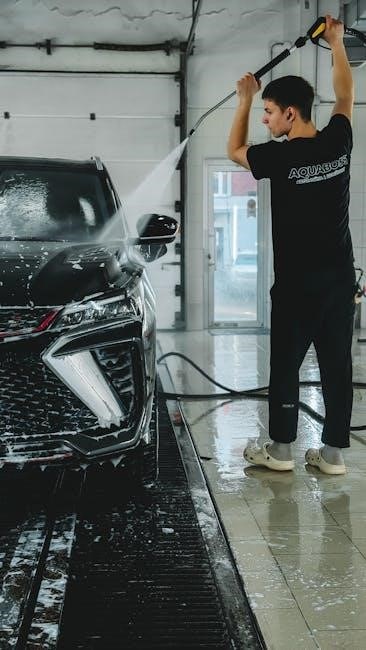
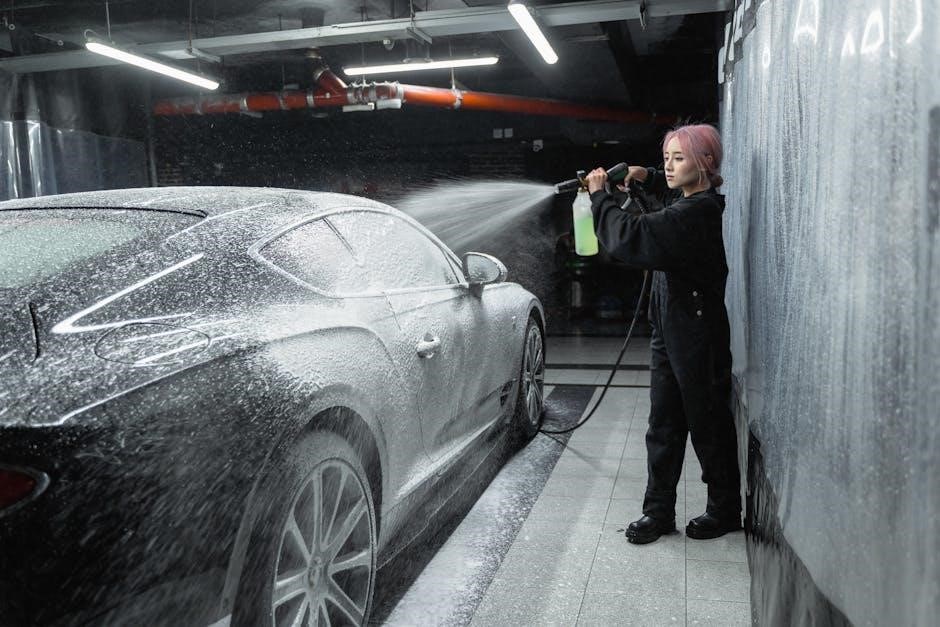
Welcome to the comprehensive guide for your Craftsman 3000 PSI pressure washer! This powerful cleaning tool, often featuring a Briggs & Stratton engine, is designed for a variety of outdoor tasks, from cleaning decks and siding to washing vehicles. This manual serves as your primary resource for understanding its features, ensuring safe operation, and maximizing its lifespan.
Whether you’ve recently purchased a model like the Craftsman 2800 PSI (available at Lowes), or already own a DLT 3000, this document will walk you through every step – from initial setup and component identification to detailed maintenance procedures. Understanding the specifics of your model, as outlined within, is crucial for optimal performance and avoiding potential issues. Always refer to this manual before operating your pressure washer.
Understanding the Model Number & Variations
Craftsman offers several variations within the 3000 PSI pressure washer range, and understanding your specific model number is vital. Numbers like the Craftsman 2800 PSI (model number found at Lowes) indicate key differences in GPM (gallons per minute) and engine specifications. The DLT 3000, referenced in available manuals online, represents another distinct configuration.
Variations may include differences in nozzle sets, wand types, and pump materials. While core functionality remains consistent, these nuances impact cleaning efficiency and application suitability. Referencing your unit’s serial number, alongside the model number, can pinpoint exact specifications and compatible parts. Online resources, including PDF manuals available through sites like dfcfw.com, can help decipher these details for your specific Craftsman pressure washer.
Safety Precautions & Warnings
Operating a 3000 PSI pressure washer demands strict adherence to safety guidelines. Always be aware of your surroundings, as the high-pressure spray can cause serious injury. Never point the wand at yourself or others; Wear safety glasses or goggles to protect your eyes from debris. Securely connect all hoses and fittings to prevent leaks and potential hazards.
Avoid operating the pressure washer near electrical sources. Ensure adequate ventilation when using the machine in enclosed spaces. Before performing any maintenance, disconnect the spark plug wire to prevent accidental starting. Refer to the manual for specific warnings regarding fuel handling and storage. Prioritize safety to prevent accidents and ensure responsible operation.
Assembly and Setup
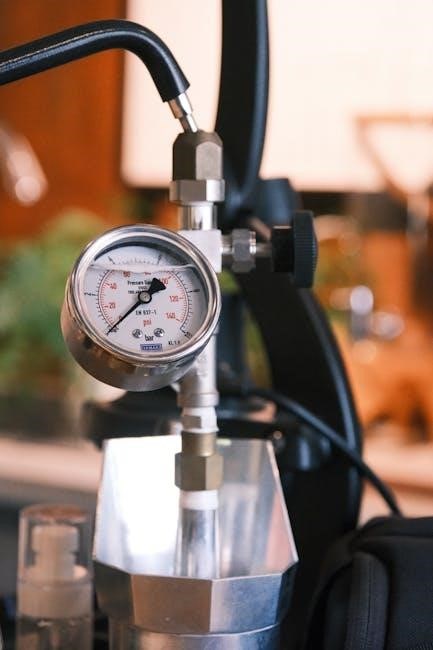
Proper assembly is crucial for safe operation. This section details unboxing, hose connections, nozzle attachment, and establishing a reliable water supply for optimal performance.
Unboxing and Component Checklist
Carefully unpack your Craftsman 3000 PSI pressure washer, verifying all components are present before proceeding. The box should contain the pressure washer unit itself, a high-pressure hose, a trigger gun/spray wand assembly, various quick-connect nozzles (typically offering different spray patterns), and potentially a detergent siphon tube.
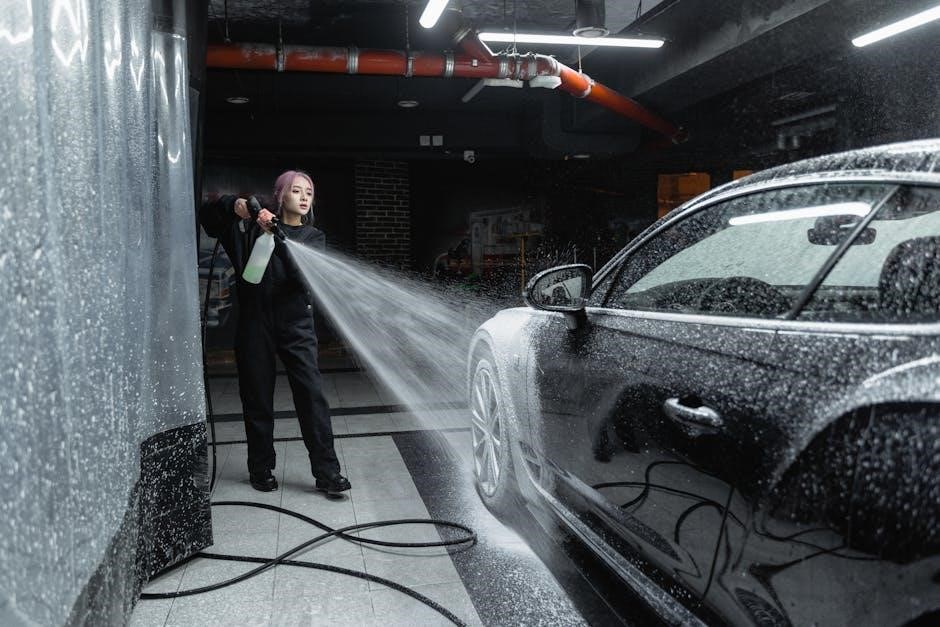
Inspect for any shipping damage to the unit or its parts. Refer to the included parts diagram within the manual to confirm you have everything listed. Important components to locate include the engine oil fill cap (initial oil fill is required), and any included accessories like specialized nozzles or extension wands. Retain the packaging for potential warranty claims or returns. A thorough check now prevents issues later during setup and operation.
Connecting the High-Pressure Hose
Begin by securely attaching the high-pressure hose to the pressure washer pump outlet. Ensure a firm, hand-tight connection; avoid using tools as over-tightening can damage the fittings. Next, connect the other end of the hose to the trigger gun/spray wand assembly, again ensuring a secure, hand-tight fit.
Before fully connecting, inspect the hose for any kinks, cuts, or damage. A damaged hose must be replaced before operation. Double-check that all connections are properly seated to prevent leaks during use. The quick-connect fittings should click into place, indicating a secure attachment. Proper hose connection is crucial for safe and effective operation of your Craftsman pressure washer.
Attaching Nozzles and Spray Wands
Begin by selecting the appropriate nozzle for your cleaning task. Different nozzles offer varying spray patterns – from wide-angle for gentle cleaning to narrow-angle for concentrated power. Securely attach the chosen nozzle to the spray wand, ensuring it clicks firmly into place.
The spray wand then connects to the trigger gun. Again, verify a secure connection. Always release the trigger and disconnect the power source before changing nozzles or wands. Different nozzle types are available for specific applications, so consult the manual for guidance. Proper attachment ensures optimal cleaning performance and prevents accidental disconnections during operation.
Water Supply Connection
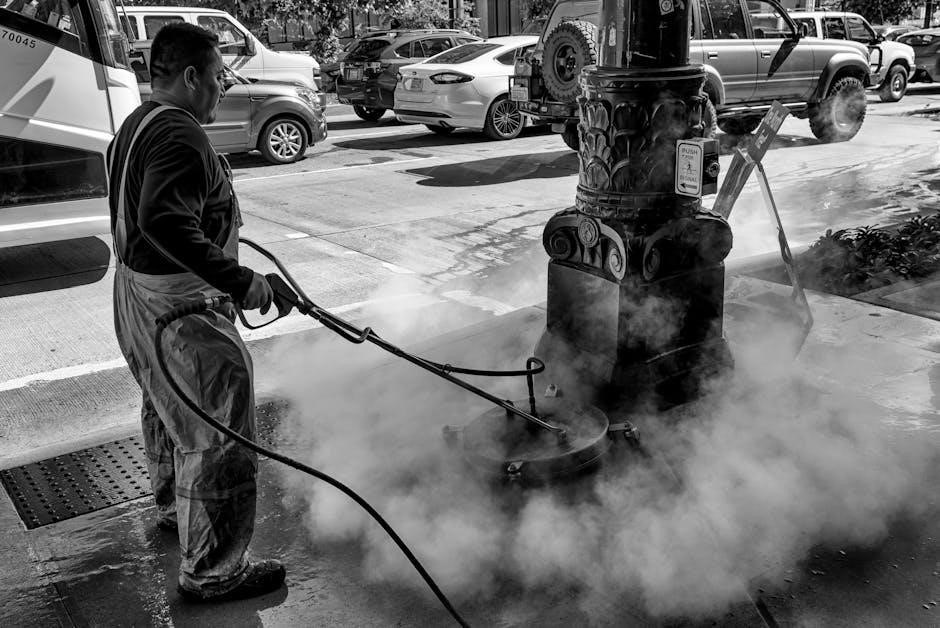
Before starting, ensure a reliable water source is available, capable of delivering at least the pressure and flow rate specified in the manual. Connect the water supply hose to both the pressure washer’s inlet and the water source, using appropriate fittings. Check for leaks at both connections before proceeding.
Avoid using hot water, as it can damage the pump. A garden hose with a minimum diameter is recommended for optimal performance. Ensure the water supply hose is free from kinks and obstructions. Proper water connection is crucial for the pressure washer’s functionality and longevity, preventing damage and ensuring efficient operation.

Operation Instructions
Follow the manual’s steps for safe operation, including starting the engine, adjusting pressure, employing proper spraying techniques, and secure shutdown procedures.
Starting the Engine
Before attempting to start the Craftsman 3000 PSI pressure washer’s engine, ensure the oil level is correct – crucially, the manual suggests initial filling is sufficient for the engine’s lifespan, eliminating routine oil changes.
Confirm the fuel tank contains fresh gasoline. Open the fuel valve. Engage the choke, especially in colder temperatures, to enrich the fuel mixture for easier starting. Slowly pull the starter cord with a firm, controlled motion; Avoid rapid, forceful pulls, which can damage the starter mechanism.
Once the engine sputters or attempts to start, gradually disengage the choke. Continue pulling the starter cord until the engine runs smoothly. Allow the engine to warm up for a few minutes before connecting to the water supply and initiating pressure washing.
Adjusting Pressure Settings
The Craftsman 3000 PSI pressure washer offers adjustable pressure settings, crucial for tackling diverse cleaning tasks effectively and safely. Typically, pressure adjustment is achieved via interchangeable nozzles, each dictating a specific spray angle and intensity.
A narrower nozzle (e.g., 0-degree) delivers a concentrated, high-pressure stream ideal for stubborn dirt and grime, while wider nozzles (e.g., 25-degree, 40-degree) provide a broader, lower-pressure spray suitable for more delicate surfaces.
Experiment with different nozzles on an inconspicuous area first to determine the optimal setting for your cleaning project. Always start with a lower pressure and gradually increase it as needed, avoiding damage to the surface being cleaned.
Proper Spraying Techniques
Effective cleaning with your Craftsman 3000 PSI pressure washer relies on mastering proper spraying techniques. Maintain a consistent distance from the surface – generally 8-12 inches – and use smooth, overlapping strokes. Avoid holding the nozzle too close, which can cause damage, or too far, reducing cleaning power.
Work from top to bottom to prevent dirty water from re-contaminating cleaned areas. For large surfaces, employ a sweeping motion. When tackling stubborn stains, angle the spray slightly to lift the dirt effectively.
Always prioritize safety; wear appropriate eye protection and be mindful of your surroundings. Remember to test on an inconspicuous area first!
Shutting Down the Pressure Washer
Proper shutdown is crucial for maintaining your Craftsman 3000 PSI pressure washer’s longevity. First, release the trigger on the spray gun. Then, turn the engine off, allowing it to run for approximately 30 seconds to consume remaining fuel and prevent carburetor issues.
Disconnect the water supply and depress the trigger again to relieve any residual pressure within the hose and pump. This prevents damage to components.
Carefully detach the high-pressure hose and store it properly. Ensure the unit is placed on a level surface and protected from the elements. Regular, correct shutdown procedures extend the life of your pressure washer.
Maintenance and Care
Regular maintenance ensures optimal performance and extends the lifespan of your Craftsman pressure washer. This includes oil checks, nozzle cleaning, hose inspection, and filter replacement.
Oil Level Check & Top-Up (Initial Use & Beyond)
Crucially, the Craftsman 3000 PSI pressure washer, utilizing a Briggs & Stratton engine, has a unique oil requirement. The manual indicates that a single oil fill is generally sufficient for the engine’s lifespan, eliminating the need for routine oil changes. However, always check the oil level before the initial use.
Use the dipstick to verify the oil is at the appropriate level. If low, carefully top up with the recommended oil type (refer to engine specifications). While designed for long-term oil stability, periodically inspect for leaks or significant oil consumption, which may indicate a problem. Maintaining the correct oil level is vital for engine health and performance, even with the ‘lifetime’ oil feature.
Nozzle Cleaning and Maintenance
Maintaining clean nozzles is essential for optimal pressure washer performance. Over time, mineral deposits and debris can clog the nozzle orifices, reducing water flow and pressure. Regularly inspect each nozzle for blockages after each use, or at least seasonally.
To clean, remove the nozzle and use a nozzle cleaning tool (often included) or a thin wire to carefully clear any obstructions. Never use a drill or enlarge the nozzle opening, as this will alter the spray pattern and reduce efficiency. Proper nozzle maintenance ensures consistent cleaning power and extends the life of your Craftsman pressure washer. Store nozzles in a clean, dry place.
Hose Inspection and Storage
Regularly inspect the high-pressure hose for any signs of damage, including cuts, abrasions, bulges, or kinks. A damaged hose can burst under pressure, posing a safety hazard. Before each use, check the hose connections to ensure they are tight and secure.
After each use, disconnect the hose from both the pressure washer and the water source. Completely drain the water from the hose to prevent freezing and mildew growth. Store the hose coiled loosely in a dry, shaded area, away from direct sunlight and extreme temperatures. Avoid sharp bends or crushing the hose during storage to prolong its lifespan.
Filter Cleaning and Replacement
Maintaining a clean filter is crucial for optimal pressure washer performance. The filter prevents debris from entering the pump, which can cause damage. Regularly inspect the water inlet filter for dirt, sediment, and other obstructions.
To clean the filter, disconnect the water supply and remove the filter housing. Rinse the filter thoroughly with clean water, removing any accumulated debris. If the filter is damaged or excessively dirty, replace it with a new one. Refer to the parts diagram in this manual for the correct filter replacement. A clogged or damaged filter can significantly reduce water pressure and pump efficiency.

Troubleshooting Common Issues
This section addresses frequent problems like engine failure, low pressure, water leaks, and pump pulsation, offering solutions for a smooth operation experience.
Engine Won’t Start
If the engine fails to start, several factors could be at play. First, ensure sufficient oil levels, as the manual notes initial filling is crucial, though long-term changes aren’t specified.
Check the fuel supply – is there gasoline in the tank, and is the fuel valve open? Inspect the spark plug for fouling or damage; a replacement might be necessary. Verify the choke is properly engaged for cold starts and disengaged once the engine attempts to run.
Confirm the safety switch is functioning correctly; it prevents operation if not engaged. Examine the recoil starter for any damage or binding. If issues persist, consult a qualified technician, especially regarding the Briggs & Stratton engine.
Low Pressure Output
Experiencing reduced pressure? Begin by checking the nozzle – ensure it’s not clogged with debris. Remove and clean the nozzle thoroughly, as blockages are a common cause. Inspect the high-pressure hose for kinks, bends, or damage that could restrict water flow.
Verify the water supply is adequate; insufficient water intake will lower pressure. Examine the pump inlet filter for obstructions and clean it if necessary. Confirm the pressure settings are correctly adjusted for the desired cleaning task.
If the problem continues, the pump itself may require professional inspection or repair, potentially indicating internal wear or damage.
Water Leaks
Discovering water leaks requires immediate attention. First, inspect all hose connections – ensure they are tightly secured and the fittings aren’t damaged. Check the high-pressure hose along its entire length for cracks or punctures. Examine the pump for any visible leaks around the seals or casing.
Inspect the nozzle and wand connections for drips, tightening as needed. Verify the water inlet connection to the pressure washer is secure and free from leaks. If leaks persist, do not operate the machine; internal pump seals may be failing.
Professional repair is recommended for pump-related leaks to prevent further damage and ensure safe operation.
Pump Pulsation
Experiencing pump pulsation – an uneven spray or pressure fluctuation – can indicate several issues. Check the water supply; insufficient water volume is a common cause. Ensure the inlet filter is clean and not restricting water flow to the pump. Air trapped within the pump can also create this effect; try briefly disconnecting the high-pressure hose while the unit is running to release air.
Worn or damaged pump components, like valves or seals, may necessitate professional repair. Prolonged operation at excessively high pressure can contribute to pump stress and pulsation. Regular maintenance, including filter cleaning, helps prevent this issue.
If pulsation continues, consult a qualified technician.

Detailed Component Breakdown
This section details key components, including Briggs & Stratton engine specifications, pump details, nozzle types and their applications, and features of the spray wand assembly.
Engine Specifications (Briggs & Stratton)
The Craftsman 3000 PSI pressure washer commonly utilizes a Briggs & Stratton engine, renowned for its reliability and performance. Specific engine models vary, but generally feature a single-cylinder, air-cooled, four-stroke design. Expect displacement around 190cc to 208cc, providing ample power for pressure washing tasks.
Key specifications include a carburetor fuel system and a recoil starter for easy ignition. The engine typically operates on unleaded gasoline with an octane rating of 87 or higher. Oil capacity is crucial; the manual indicates initial filling is required, with a claim of no subsequent oil changes needed – a feature requiring careful monitoring.
Horsepower generally ranges from 6.5 to 7.5 HP, delivering sufficient force for various cleaning applications. Always refer to the specific engine model number on your unit for precise details and maintenance schedules.
Pump Specifications
The Craftsman 3000 PSI pressure washer features a robust axial cam pump, designed to deliver high-pressure water flow for effective cleaning. This pump typically generates a maximum pressure of 3000 PSI (pounds per square inch) and a water flow rate of 2.3 gallons per minute (GPM), though variations exist.
Construction materials generally include a combination of aluminum and steel, ensuring durability and resistance to corrosion. The pump utilizes ceramic pistons for extended lifespan and efficient operation. It’s crucial to maintain the pump by regularly cleaning nozzles and inspecting the high-pressure hose for damage.
The pump is designed for cold water operation only; hot water can cause significant damage. Proper winterization procedures, including draining the pump, are essential to prevent freezing and cracking during cold weather storage.
Nozzle Types and Applications
The Craftsman 3000 PSI pressure washer typically includes a selection of quick-connect nozzles, each designed for specific cleaning tasks. A 0-degree nozzle delivers a concentrated, powerful stream for removing stubborn dirt and grime from hard surfaces. The 15-degree nozzle offers a wider spray pattern for general cleaning applications.
A 25-degree nozzle is ideal for washing cars and other delicate surfaces, while a 40-degree nozzle provides a gentle spray for rinsing. A soap nozzle creates a low-pressure, high-volume spray for applying detergents.
Always select the appropriate nozzle for the task at hand to avoid damaging surfaces. Start with a wider spray pattern and gradually increase the pressure as needed. Regularly inspect nozzles for clogs and clean them to maintain optimal performance.
Spray Wand Features
The Craftsman 3000 PSI pressure washer’s spray wand is designed for user comfort and efficient cleaning. It typically features a quick-connect mechanism for easy nozzle changes, allowing you to adapt to various cleaning tasks swiftly. Many models include an extension wand for reaching high or difficult-to-access areas without straining.
The wand’s ergonomic grip minimizes fatigue during extended use, and a safety lock prevents accidental trigger activation. Some wands also incorporate a rotating connector, enabling you to adjust the spray angle for optimal cleaning.
Regularly inspect the wand for cracks or damage, and ensure the quick-connect fittings are secure. Proper care extends the wand’s lifespan and ensures consistent performance.
Warranty Information
The Craftsman warranty covers defects in materials and workmanship. Review the manual for specific coverage details, claim processes, and any limitations or exclusions applying to your model.
Coverage Details
The Craftsman warranty for the 3000 PSI pressure washer generally covers defects in materials and workmanship for a specified period from the date of purchase. This typically includes the engine (often a Briggs & Stratton), the pump, and other essential components. However, the length of coverage varies depending on the specific part.
The engine warranty, provided by Briggs & Stratton, often has a separate duration and terms. Wear items, such as nozzles, hoses, and O-rings, are usually excluded from full coverage but may have limited warranties. Damage caused by misuse, improper maintenance (like failing to check oil levels), or normal wear and tear is also typically not covered. Always refer to the official warranty statement included with your pressure washer for precise details and limitations.
Claim Process
To initiate a warranty claim for your Craftsman 3000 PSI pressure washer, you’ll generally need to contact Sears or Lowes, depending on where you purchased the unit. Retain your original purchase receipt as proof of date and location of purchase; this is crucial. You may need to provide the model number and serial number of the pressure washer.
Typically, you’ll be asked to describe the defect and may be required to submit photos or videos demonstrating the issue. Sears or Lowes will then guide you through the process, which may involve returning the defective part or the entire unit for inspection. Be prepared to cover shipping costs initially, as these may be reimbursed if the claim is approved. A repair authorization number will likely be issued before any service is performed.
Limitations and Exclusions
The Craftsman 3000 PSI pressure washer warranty typically doesn’t cover damage resulting from misuse, abuse, or neglect. This includes using improper detergents, failing to perform routine maintenance (like filter cleaning), or operating the unit beyond its intended purpose. Damage caused by freezing temperatures, or using the pressure washer with contaminated water sources, is also generally excluded.
Furthermore, wear and tear items, such as nozzles, hoses, and O-rings, are often not covered under warranty. Alterations or repairs performed by unauthorized service centers will void the warranty. The warranty is valid only for the original purchaser and is non-transferable. Commercial or rental use will likely invalidate the warranty coverage.